Category: World

  • Shark Launches Brutal 4.5-Metre Attack as Diver Battles for Life in Waters Off Michaelmas Island, Western Australia in Shocking Morning Ordeal

    Shark Launches Brutal 4.5-Metre Attack as Diver Battles for Life in Waters Off Michaelmas Island, Western Australia in Shocking Morning Ordeal

    A diver was left critically injured after a serious shark attack off the coast of Western Australia on Saturday, prompting an emergency response from local authorities.

    Diver Attacked Near Remote Island

    Officials said the victim, a man believed to be in his 30s, was attacked while diving near Michaelmas Island, located southeast of Perth.

    Emergency services reported that the incident involved a shark estimated to be about 4.5 metres (15 feet) long.

    Authorities described the attack as severe, with the diver suffering life-threatening injuries.

    Emergency Response Launched

    According to ambulance services and the Western Australian government, the shark attack was reported at approximately 11:25 a.m. local time (0325 GMT).

    Emergency responders were dispatched following reports of the incident, and efforts were made to provide urgent medical assistance to the injured diver.

    Latest in a String of Shark Incidents

    The attack adds to growing concerns over shark encounters in Australian waters.

    It occurred just two weeks after a fatal shark attack in the northern state of Queensland, where a man lost his life.

    That incident marked the third deadly shark attack recorded in Australia this year, highlighting an ongoing trend that has drawn attention from marine experts and public safety officials.

    Scientists Monitor Changing Shark Behaviour

    Researchers have pointed to a combination of environmental and human factors that may be contributing to the increase in shark encounters.

    Australian scientists believe that warmer ocean temperatures and increasing numbers of people using coastal waters are influencing shark migration patterns.

    These shifts may be bringing sharks into closer contact with swimmers, surfers and divers, potentially raising the risk of attacks.

    Authorities Urge Caution

    While shark attacks remain relatively rare compared with the number of people who enter Australian waters each year, authorities continue to urge caution in areas known for shark activity.

    The latest incident near Michaelmas Island is expected to renew discussions about marine safety measures as officials monitor conditions along the country’s coastline.

  • US Forces Spark Global Alarm as Pentagon Launches Destructive Strikes on Iranian Drone and Radar Sites Along the Gulf Coast in a High-Stakes Military Escalation

    US Forces Spark Global Alarm as Pentagon Launches Destructive Strikes on Iranian Drone and Radar Sites Along the Gulf Coast in a High-Stakes Military Escalation

    A fresh round of military confrontation erupted in the Gulf after the United States said its forces intercepted Iranian drones and carried out retaliatory strikes against Iranian coastal radar installations.

    According to U.S. Central Command, four Iranian attack drones heading toward the Strait of Hormuz were shot down after being assessed as a threat to maritime traffic in the region.

    The U.S. military subsequently targeted radar sites on Iran’s coast, describing the action as a defensive measure aimed at preventing further attacks.

    Tehran Retaliates Against American Military Positions

    Iran responded within hours, launching ballistic missiles toward U.S. military facilities in Kuwait and Bahrain.

    Iranian authorities said the attacks were directed at the Ali Al Salem Air Base in Kuwait and the headquarters of the U.S. Fifth Fleet in Bahrain.

    The strikes triggered air raid alerts across both Gulf nations as defense systems were activated.

    Most Missiles Intercepted, No Casualties Reported

    U.S. officials reported that seven ballistic missiles were fired during the retaliation.

    American forces intercepted six of the missiles, while another failed to reach its intended destination.

    Military authorities said there were no immediate reports of injuries or damage to U.S. personnel, and they rejected Iranian claims that the Fifth Fleet headquarters in Bahrain had been successfully hit.

    Ceasefire Faces Renewed Pressure

    The latest exchange has placed additional strain on an already fragile ceasefire between Washington and Tehran.

    Diplomatic efforts aimed at extending the truce and reducing tensions have struggled to gain momentum amid repeated violations and military incidents.

    Analysts warn that each new confrontation increases the risk of a wider regional conflict and could further complicate negotiations between the two countries.

    Strategic Waterway Remains a Flashpoint

    The Strait of Hormuz, one of the world’s most important oil shipping routes, remains at the center of the dispute. U.S. officials said the intercepted drones posed an immediate danger to commercial maritime traffic, while Iran has continued to use its influence over the strategic waterway as leverage in its broader confrontation with Washington.

    The latest military actions have renewed concerns over regional security and the potential impact on global energy markets.

  • Nigel Farage’s Reform UK Crushes Labour and Conservatives in Britain as Crypto Billionaires Pour Millions Into the Party and Trigger Fresh Fears Over Political Influence

    Nigel Farage’s Reform UK Crushes Labour and Conservatives in Britain as Crypto Billionaires Pour Millions Into the Party and Trigger Fresh Fears Over Political Influence

    Nigel Farage’s Reform UK has emerged as the biggest fundraising force in British politics so far this year, buoyed by multimillion-pound contributions from two prominent figures in the cryptocurrency industry.

    Newly released electoral records show the party attracted more financial support during the first quarter than any of its political rivals, underscoring the growing relationship between digital asset wealth and political influence.

    Crypto Titans Fuel Reform UK’s Financial Surge

    Data published by the UK Electoral Commission on Thursday revealed that Reform UK secured approximately £7 million ($9.4 million) in donations during the opening months of the year.

    A significant share of that funding came from two cryptocurrency billionaires.

    Among the largest contributors was Christopher Harborne, an investor linked to stablecoin issuer Tether, who donated around $4 million.

    He was joined by Ben Delo, co-founder of cryptocurrency exchange BitMEX, whose contribution totaled roughly $5.4 million.

    The donation marks Delo’s first recorded financial backing of the party.

    Donations Outpace Britain’s Traditional Parties

    The fundraising haul placed Reform UK ahead of both the Labour Party and the Conservatives.

    Electoral filings indicate that each of the two major parties collected approximately $5.4 million during the same three-month period.

    The figures highlight a dramatic shift in Reform UK’s fundraising capacity.

    Compared with the first quarter of the previous year, when the party raised about $2 million, its latest performance represents a sixfold increase.

    More broadly, political donations across the UK surged during the quarter, with total contributions to all parties more than doubling compared with the same period a year earlier.

    Farage Continues to Champion Digital Assets

    Reform UK has increasingly positioned itself as a supporter of the cryptocurrency sector.

    The party became the first political organization in Britain to accept donations in Bitcoin, signaling its willingness to embrace digital finance.

    Farage has also advocated several crypto-friendly policies, including reducing capital gains tax on cryptocurrency investments from 24% to 10%.

    He has additionally argued that the Bank of England should establish a national Bitcoin reserve, a proposal that aligns with broader efforts to integrate digital assets into financial policy discussions.

    Harborne’s Expanding Support Draws Attention

    The latest donation further strengthens Harborne’s role as one of Reform UK’s most important financial backers.

    Over the past year, his cumulative support for the party has reached roughly $20 million.

    Separate from his party donations, Harborne also provided Farage with a personal gift valued at approximately $6.7 million.

    That payment has attracted scrutiny from parliamentary authorities, who are examining whether it should have been formally declared under disclosure rules.

    Farage Defends Undeclared Personal Gift

    Farage has maintained that the personal payment did not require registration because it was received before he entered Parliament.

    According to him, the funds were used to cover personal security expenses.

    He has also argued that the money reflected recognition for his role in campaigning for the United Kingdom’s departure from the European Union, one of the defining political movements of his career.

    Crypto Money’s Growing Political Influence

    The substantial donations to Reform UK reflect a broader trend of cryptocurrency-linked wealth flowing into political campaigns.

    Across several countries, digital asset executives and investors have become increasingly active in political fundraising efforts as they seek to shape future regulation and policy.

    In the United States, crypto-backed political action committees have spent millions of dollars supporting candidates in recent primary contests ahead of November’s midterm elections.

    The growing involvement of the industry in politics has intensified debate over the role of major donors and the influence of emerging financial sectors on public policy.

    Reform UK Enters a New Fundraising Era

    The latest figures suggest Reform UK has entered a new phase of financial strength, powered in large part by supporters from the cryptocurrency sector.

    As the party seeks to expand its influence across British politics, its ability to attract major digital-asset donors is likely to remain a focal point for both supporters and critics.

    The fundraising records also signal that cryptocurrency wealth is becoming an increasingly visible force in political financing, not only in the UK but across democratic systems worldwide.

  • Levi Williams Is Jailed in Peterborough After Cocaine-Fuelled Pub Fight in Newmarket Kills Pensioner Richard Wingrove in Brutal Street Clash

    Levi Williams Is Jailed in Peterborough After Cocaine-Fuelled Pub Fight in Newmarket Kills Pensioner Richard Wingrove in Brutal Street Clash

    A jockey who had taken cocaine and been drinking heavily before a violent pub confrontation that led to the death of a pensioner has been jailed for three years.

    Levi Williams, 26, was sentenced after admitting the manslaughter of 71-year-old Richard Wingrove, who died days after a street fight outside a pub in Newmarket, Suffolk.

    The case has shocked the horse racing community in the historic racing town, where the altercation unfolded in broad daylight following a dispute involving multiple men.


    Violent Clash Outside Pub Turns Deadly in Newmarket

    The fatal incident occurred on March 8, 2025, outside the Waggon & Horses pub in Newmarket after a series of confrontations between two groups of men escalated into violence.

    Court hearings heard that Mr Wingrove, who was celebrating his birthday with his son, had been drinking inside the pub before staff removed him for being intoxicated.

    The pair allegedly attempted to return several times before being ejected again.

    At the same time, Williams and a fellow jockey had been at the venue watching horse racing before preparing to leave for work commitments.


    Fight Between Two Groups Escalates Into Fatal Punch

    Prosecutors said a confrontation broke out in the street, involving both the Wingrove family and the jockeys.

    During the altercation, Williams allegedly threw punches at both Mr Wingrove and his son before briefly falling to the ground himself.

    The situation quickly escalated again, with witnesses describing a chaotic street fight.

    The court heard that Williams then delivered a decisive punch to Mr Wingrove’s head, causing him to fall backwards and strike the pavement.


    Severe Head Injuries Lead to Death Days Later

    Emergency responders treated Mr Wingrove at the scene, where he was given CPR before being rushed to hospital with a fractured skull, brain bleeding, and multiple contusions.

    He was placed in an induced coma but died ten days later in Cambridge on March 18, 2025.

    Medical evidence suggested his fatal injuries were likely caused by a combination of the punch and the impact of his head hitting the ground.


    Cocaine and Alcohol Use Confirmed in Investigation

    Police confirmed that Williams tested positive for cocaine after his arrest and admitted to drinking several pints of lager before the confrontation.

    Officers also reported that he appeared intoxicated and shaken when detained, allegedly stating that the incident “was an accident.”

    The court heard that Williams had a history of substance-related disciplinary issues within his professional racing career, including prior suspensions for drug use.


    Court Hears Claims of Remorse and Self-Defence Arguments

    Williams, who had initially been charged with murder, later pleaded guilty to manslaughter, a plea accepted by prosecutors.

    His defence argued that the incident was not premeditated and described his actions as impulsive during a chaotic confrontation, suggesting he was not the aggressor at the start.

    However, the judge concluded that while early exchanges could be interpreted as self-defence, the final blow that killed Mr Wingrove could not be justified.


    Judge Cites “Vulnerable Victim” in Sentencing Decision

    Sentencing Williams at Peterborough Crown Court, Judge Sean Enright described Mr Wingrove as a “vulnerable victim,” noting his age, poor eyesight, and use of a walking stick.

    He told the court that Williams had consumed alcohol and cocaine before the incident and emphasised that a younger man striking an older pensioner in such circumstances resulted in a tragic and avoidable death.

    The judge concluded that only a custodial sentence was appropriate, imposing three years in prison after giving credit for Williams’ early guilty plea.


    Family’s Emotional Impact Statement Highlights Lifelong Grief

    In a victim impact statement, Mr Wingrove’s daughter, Louise, described devastating emotional consequences following her father’s death, including anxiety, panic attacks, and sleep disturbances.

    She said the loss occurred during a deeply emotional period in the family’s life, as they were reconnecting after years of estrangement.

    Louise urged Williams to reflect on the consequences of his actions and expressed hope that he would understand the full impact of the violence.


    Racing Career and Prior Drug Bans Revisited in Court

    The court also heard details of Williams’ professional career, including 12 race wins in 156 rides, alongside previous suspensions for drug-related offences.

    He had earlier been banned for 18 months after testing positive for cocaine and had previously served a six-month suspension for cannabis and cocaine use.

    Despite these issues, character references presented in court described him as remorseful, kind, and deeply affected by the outcome of the case.


    Police Describe Death as “Completely Avoidable”

    Following sentencing, investigators described Mr Wingrove’s death as the result of a “completely avoidable act of violence” that occurred while he was celebrating his birthday.

    They said the case had left lasting trauma for multiple families and reinforced the consequences of alcohol-fuelled aggression escalating into fatal outcomes.

    Williams will now serve his prison term while the racing world continues to reflect on the tragedy that unfolded outside a pub in Newmarket.

  • SpaceX Shockingly Sets Elon Musk-Led Company to Price Shares at $135 in Massive IPO Move in the United States, Sparking Debate Over $1.75 Trillion Valuation Hype

    SpaceX Shockingly Sets Elon Musk-Led Company to Price Shares at $135 in Massive IPO Move in the United States, Sparking Debate Over $1.75 Trillion Valuation Hype

    SpaceX has outlined plans for a blockbuster public listing that would place the space and technology company among the most valuable businesses ever brought to market.

    In a filing submitted to the US Securities and Exchange Commission on Wednesday, the company indicated an expected share price of $135, signalling a valuation of roughly $1.75 trillion.

    The move marks one of the most closely watched IPO developments in recent years, with investors now assessing the scale and ambition behind Elon Musk’s privately held aerospace giant.

    Massive Share Sale Could Raise Up to $75 Billion in Record Listing Attempt

    According to the amended IPO filing, SpaceX intends to sell approximately 555.6 million shares at the proposed price of $135 each.

    If fully executed, the offering would generate around $75 billion in capital.

    That figure would immediately make it the largest public share offering in history, surpassing Saudi Aramco’s 2019 debut, which raised $25.6 billion and has long stood as the global benchmark for IPO fundraising.

    The scale of the planned listing reflects both investor appetite for high-growth technology firms and SpaceX’s expanding commercial footprint in satellite communications, space launches, and advanced manufacturing.

    “Greenshoe” Option Could Push Valuation Even Higher

    The company’s fundraising total could climb further if underwriters exercise a standard over-allotment option, commonly known as a “greenshoe.”

    This mechanism would allow additional shares to be sold beyond the initial offering.

    Should that option be fully activated, SpaceX could raise as much as $86 billion.

    Under those conditions, the company’s valuation could rise to approximately $1.78 trillion, further cementing its position among the most valuable private enterprises ever to go public.

    Unusual Pricing Strategy Signals Strong Confidence Ahead of Market Debut

    Unlike traditional IPOs, which typically announce a price range shortly before trading begins, SpaceX has opted to present a fixed expected price in advance.

    That decision is widely viewed as an uncommon approach in public listings.

    Ordinarily, companies rely on investor demand during the IPO roadshow to determine final pricing.

    However, SpaceX’s method suggests a high level of internal confidence in its valuation expectations and investor interest.

    The IPO is scheduled to list on the Nasdaq exchange on 12 June, with final pricing expected a day earlier on 11 June following the investor roadshow process.

    Elon Musk’s Stake Could Push Him Toward Trillionaire Status

    If the $135 per share valuation holds, Elon Musk—who reportedly controls more than 80% of SpaceX through his holdings—would see his wealth increase substantially.

    Analysts suggest the outcome could place him in position to become the world’s first trillionaire.

    The listing would also reinforce Musk’s dominance in two of the most influential companies in the United States, with leadership roles at both SpaceX and Tesla.

    Capital to Fuel AI, Space Expansion and Semiconductor Ambitions

    SpaceX has stated that proceeds from the IPO will be directed toward accelerating its long-term technological roadmap.

    Key priorities include expanding artificial intelligence infrastructure, advancing space launch systems, and scaling its Starlink satellite internet network.

    In addition, the company recently unveiled plans for a $55 billion investment in a Texas-based semiconductor facility, known as a “Terafab,” designed to produce chips for AI systems and robotics applications.

    Tech Sector IPO Wave Reflects Intensifying AI Investment Race

    The SpaceX filing arrives amid a broader surge of capital-raising activity across the global technology sector, driven largely by competition in artificial intelligence development.

    AI firm Anthropic has confirmed plans for a US IPO, having already submitted preliminary documentation to regulators.

    Meanwhile, Alphabet, the parent company of Google, recently expanded its equity fundraising effort to $85 billion.

    OpenAI, the developer behind ChatGPT, is also widely expected to pursue a public listing in the near future, adding further momentum to the sector’s IPO pipeline.

    Market Enthusiasm Meets Valuation Concerns

    Despite the surge in tech listings and fundraising activity, investor sentiment remains mixed.

    While enthusiasm for AI-driven growth continues to fuel valuations, concerns persist over whether current pricing levels across the technology sector are sustainable.

    SpaceX’s potential IPO now sits at the centre of this debate, combining unprecedented scale with high expectations for future growth in space technology, AI infrastructure, and global connectivity.

  • Hezbollah Allegedly Launches Deadly Mortar Attack That Kills UN Peacekeeper and Injures Two Personnel in Southern Lebanon UNIFIL Base Strike

    Hezbollah Allegedly Launches Deadly Mortar Attack That Kills UN Peacekeeper and Injures Two Personnel in Southern Lebanon UNIFIL Base Strike

    A United Nations peacekeeping position in southern Lebanon came under fire overnight after mortar shells landed inside a UN Interim Force in Lebanon (UNIFIL) site in the Dibbine area.

    The incident resulted in the death of one UN personnel member and left two others injured, according to initial reports.

    The attack has raised renewed concerns about the safety of international peacekeepers operating along the volatile border region.

    Casualties Reported Among Peacekeeping Personnel

    UNIFIL confirmed that the impact of the mortar shells caused fatal injuries to one member of its staff, while two additional personnel sustained injuries of varying severity.

    Medical teams were reportedly dispatched to the site shortly after the strike.

    Authorities have not yet released the identities of the victims, pending notification of families and further internal procedures.

    Trajectory Analysis Points to Launch Origin

    Preliminary assessments of the mortar trajectory suggest that the rounds were fired from a direction associated with Hezbollah positions in southern Lebanon, according to officials familiar with the examination.

    The analysis is based on the angle and impact pattern of the shells, which investigators say helped narrow down the likely origin of the launch.

    However, no independent verification has yet been made public.

    Hezbollah Cited in Early Assessments

    While no formal statement assigning responsibility has been universally confirmed, initial findings referenced in security assessments indicate Hezbollah may have been behind the mortar fire.

    The group has not issued a detailed response regarding the specific incident at the UNIFIL position in Dibbine at the time of reporting.

    Heightened Tensions Along the Lebanon Border

    The incident comes amid already elevated tensions in southern Lebanon, where sporadic cross-border exchanges and military activity have continued to raise concerns among international observers.

    UNIFIL has repeatedly warned that escalating hostilities in the region pose significant risks to peacekeeping operations and civilian safety, urging all parties to avoid actions that endanger international personnel.

  • Andries Nel Urges South Africans to Defend Constitution in Parliament in Cape Town as 30-Year Democracy Celebration Sparks Debate Over Poverty and Unfinished Transformation

    Andries Nel Urges South Africans to Defend Constitution in Parliament in Cape Town as 30-Year Democracy Celebration Sparks Debate Over Poverty and Unfinished Transformation

    South Africans were urged to deepen their commitment to constitutional values and take an active role in strengthening democracy as the country marked three decades since the adoption of its founding legal framework.

    The appeal came during a joint sitting of Parliament on Thursday, where officials reflected on the legacy, progress, and ongoing challenges of constitutional democracy under the theme “One Constitution.

    One Nation. Reflect. Renew. Recommit.”

    Constitution Celebrated as Product of Struggle and Sacrifice

    Deputy Minister of Justice and Constitutional Development Andries Nel told lawmakers that the Constitution represents far more than a governing document, describing it as a living outcome of decades of political struggle against colonialism and apartheid.

    He said it embodies the hopes of generations who fought for freedom, equality, and human dignity, arguing that its foundations were built on both historical resistance and collective aspiration.

    Nel emphasised that the Constitution emerged from a long tradition of liberation-era policy frameworks, including early rights-based declarations and charters that shaped South Africa’s democratic vision.

    Drafting Process Recalled by Constitutional Assembly Veteran

    Reflecting on his role in the Constitutional Assembly between 1994 and 1996, Nel recalled the intense negotiations that led to the final adoption of the Constitution.

    He pointed to the influence of key historical documents such as the ANC’s early Bill of Rights, the Africans’ Claims of 1943, the Women’s Charter of 1954, and the Freedom Charter of 1955, saying these texts helped anchor the values later embedded in the constitutional framework.

    According to Nel, the final document represented a carefully constructed consensus aimed at building a unified and democratic society.

    Constitution Defended as Tool for Transformation

    Responding to critics who argue that the Constitution limits structural reform, Nel strongly rejected the claim, insisting instead that it is designed to enable transformation rather than block it.

    He described it as a “revolutionary and transformative” instrument intended to dismantle inequality and promote a society grounded in human dignity, equality, and human rights.

    Nel argued that constitutional principles provide the legal and moral foundation for ongoing social and economic change.

    Progress Highlighted in Service Delivery and Governance

    Looking back over 30 years of democracy, Nel acknowledged significant progress in expanding access to essential services across the country.

    He cited improvements in housing provision, healthcare access, education systems, water and electricity supply, and social protection programmes.

    He also pointed to strengthened democratic institutions and a more entrenched rule of law as key achievements since 1994.

    Despite these gains, he stressed that development remains uneven and incomplete.

    Persistent Challenges Undermine Constitutional Vision

    Nel cautioned that South Africa continues to face deep structural problems that hinder the full realisation of the Constitution’s promise.

    He listed poverty, unemployment, inequality, crime, corruption, and gender-based violence as major obstacles still affecting millions of citizens.

    He also raised concerns about the exclusion of many young people from education, skills development, and job opportunities, warning that this trend threatens long-term national stability and growth.

    Global Democratic Pressures Raise Concern

    Beyond domestic issues, Nel warned that democratic values are increasingly under strain worldwide, with growing challenges to inclusion, institutional independence, and the rule of law.

    He said South Africa must remain vigilant in protecting its democratic gains, noting that constitutional systems can weaken if citizens become disengaged or complacent.

    Call for Civic Engagement and Constitutional Renewal

    Closing his address, Nel urged South Africans to actively participate in safeguarding democracy and ensuring the Constitution remains a living framework for national development.

    He stressed that constitutional democracy should not be taken for granted, but continuously protected and strengthened through civic participation and accountability.

    As the country reflects on 30 years of constitutional rule, the message from Parliament was clear: the next chapter of democracy depends not only on institutions, but on the sustained engagement of its people.

  • David Barnea Transforms Mossad Into Regional Powerhouse and Shakes Middle East Stability in Israel as Lebanon Strike and Iran Operations Trigger Global Controversy

    David Barnea Transforms Mossad Into Regional Powerhouse and Shakes Middle East Stability in Israel as Lebanon Strike and Iran Operations Trigger Global Controversy

    David Barnea has concluded a landmark five-year term as head of Israel’s Mossad, stepping down after a period widely seen as one of the most operationally intense and strategically consequential in the agency’s history.

    Under his leadership, the intelligence service evolved from a traditionally covert, limited-operation structure into a globally influential apparatus capable of simultaneous action across multiple Middle Eastern arenas.

    His tenure is marked by expanded operational reach stretching from Iran to Lebanon and beyond, with intelligence officials crediting him with reshaping how Israel projects clandestine power in both wartime and peacetime environments.

    Expansion of Mossad Reach Across Iran, Lebanon, and Beyond

    During Barnea’s leadership, Mossad operations reportedly expanded in scale and ambition, shifting toward a model built on parallel missions rather than isolated covert actions.

    This transformation allowed Israel to pursue coordinated pressure campaigns across several fronts at once, including Iran’s nuclear infrastructure and Hezbollah’s military command structure in Lebanon.

    Officials close to the agency describe this era as one in which intelligence operations became deeply integrated with broader military planning, blurring traditional lines between espionage and battlefield strategy.

    Lebanon Operation and the Killing of Hassan Nasrallah

    One of the most consequential episodes attributed to this period was the September 27, 2024 strike in Beirut that killed Hezbollah leader Hassan Nasrallah.

    The operation followed days of escalating conflict, including the detonation of explosive devices earlier in the month that already had destabilized Hezbollah’s internal command structure.

    According to accounts tied to Israeli defence sources, dozens of F-15I aircraft struck Hezbollah’s underground headquarters in the Dahiya district, dropping approximately 85 bombs in a coordinated assault that also killed senior commanders, including Ali Karaki.

    The strike was reportedly enabled by a decade of intelligence gathering involving both Israeli operatives and local recruits, some of them Lebanese nationals working covertly for Mossad.

    Local Operatives and High-Risk Battlefield Intelligence Work

    Emerging details suggest that many of the agents involved in preparing the Beirut operation were not Israeli nationals but locally recruited operatives.

    These individuals reportedly operated in extreme conditions, often moving through areas still under bombardment or moments after Israeli airstrikes had concluded.

    Their tasks included battlefield assessments and placement of intelligence-supporting devices in highly dangerous zones.

    Coordination between Mossad leadership and the Israeli Air Force was described as continuous and dynamic, requiring rapid adjustments to avoid friendly casualties while maintaining operational momentum.

    Officials familiar with the operation say agents worked under constant threat from both aerial strikes and Hezbollah counterintelligence units.

    Controversial Kurdish Strategy in Iran Regime Scenario

    Beyond Lebanon, Barnea’s tenure was also associated with ambitious plans targeting Iran’s internal stability.

    One of the most debated proposals involved leveraging Kurdish groups in Iraq and Iran as a potential ground force capable of pressuring the Iranian regime from within.

    The concept drew comparisons to Kurdish participation in the 2003 Iraq invasion, though the newer plan was considered significantly more complex and politically sensitive.

    Reports suggest the strategy included potential air support and logistical backing from both Israel and the United States.

    However, the proposal was ultimately blocked amid disagreements within the US administration and concerns raised by regional actors, including Turkey.

    Disputes Over Feasibility of Iran Operations

    Within Israeli defence circles, there was significant disagreement over the scale and feasibility of proposed operations against Iran’s nuclear infrastructure.

    Some officials argued that reliance on local operatives carried too high a risk of exposure, while others believed such concerns underestimated Mossad’s evolving capabilities.

    Barnea and his allies reportedly pushed back against scepticism, pointing to previous covert successes inside Iran as evidence that large-scale clandestine networks could be sustained without major compromise.

    Still, portions of the broader operational plan were never fully activated, particularly those tied to coordinating large-scale internal uprisings with minority groups.

    Nuclear Tensions and the “Pickaxe Mountain” Facility Debate

    A key strategic concern during this period was Iran’s deeply buried nuclear infrastructure, including the heavily fortified “Pickaxe Mountain” facility.

    Intelligence assessments suggested the site may be beyond the reach of even advanced bunker-busting munitions, raising fears of a so-called “zone of immunity.”

    While the United States has favoured diplomatic containment and sanctions pressure, Israeli officials reportedly debated more direct approaches, including covert sabotage and potential ground-based intervention.

    However, such options were ultimately not pursued due to operational risks and resource constraints.

    Internal Mossad Debate Over Large-Scale Nuclear Sabotage

    Barnea also oversaw internal discussions about an unprecedented multi-target sabotage operation aimed at Iran’s nuclear programme.

    The plan envisioned simultaneous strikes across multiple facilities, potentially involving hundreds of operatives.

    The proposal was eventually shelved after senior defence leaders raised concerns about feasibility, intelligence exposure risks, and Israel’s limited ability to provide sustained military cover during execution.

    Some within Mossad argued that rejecting the plan reflected excessive caution, while critics insisted it underestimated the operational complexity involved.

    Leadership Transition and Institutional Direction

    Barnea’s departure comes as Mossad undergoes another leadership transition, with Maj. Gen. Roman Gofman stepping into the role.

    Despite earlier internal opposition to Gofman’s appointment, Barnea has since publicly supported a unified handover process, urging continuity within the agency.

    Officials suggest that major structural changes initiated under Barnea—particularly the increased reliance on local operatives and simultaneous multi-front operations—are likely to remain central to Mossad doctrine.

    Legacy of a High-Intensity Intelligence Era

    As Barnea exits office, Israeli intelligence circles are reflecting on a period defined by rapid escalation, expanded covert warfare, and increasingly complex regional entanglements.

    His supporters argue that he fundamentally redefined Mossad’s operational identity, while critics warn that the scale of activity increased exposure risks and long-term strategic uncertainty.

    What remains undisputed is that his tenure coincided with some of the most volatile developments in recent Middle Eastern history, placing Mossad at the centre of conflicts spanning Lebanon, Iran, and beyond.


  • Israeli Supreme Court Strikes Down Ban as Judges Order Government to Restore Red Cross Access to Palestinian Detainees in High-Profile Jerusalem Ruling

    Israeli Supreme Court Strikes Down Ban as Judges Order Government to Restore Red Cross Access to Palestinian Detainees in High-Profile Jerusalem Ruling

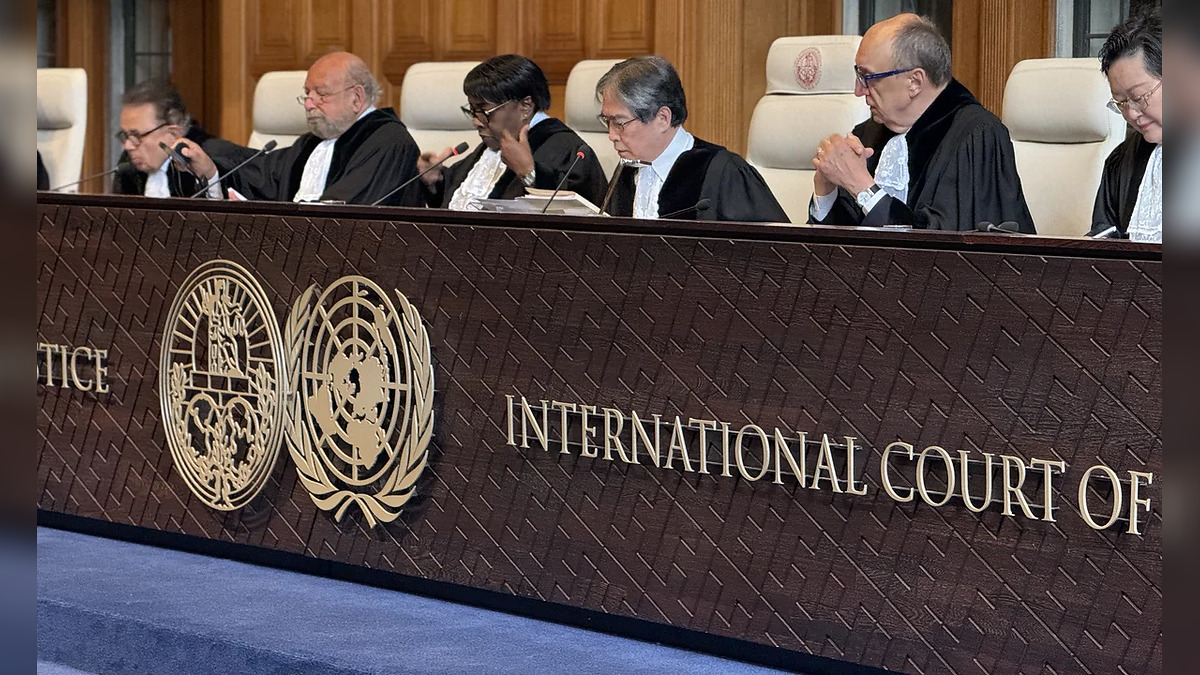
    Israel’s highest court has struck down a government policy that barred the International Committee of the Red Cross from visiting Palestinian security prisoners and detainees held in Israeli prisons and military detention facilities, ruling that the restriction lacked a valid legal foundation.

    In a unanimous decision delivered on Wednesday, the High Court of Justice sided with a coalition of human rights organizations that challenged the policy introduced after the Hamas-led attacks of October 7, 2023.

    The court concluded that the state had failed to justify the sweeping prohibition and ordered that it be revoked.

    Rights Groups Challenge Wartime Restrictions

    The legal challenge was brought by several Israeli rights organizations, including the Association for Civil Rights in Israel, Physicians for Human Rights-Israel, HaMoked, and Gisha.

    Their petition targeted both the suspension of Red Cross prison visits and the government’s refusal to provide information about detainees being held by Israeli authorities.

    The ruling was issued by Supreme Court President Isaac Amit, Deputy President Noam Sohlberg, and Justice Daphne Barak-Erez, who authored the principal opinion.

    Judges Criticize State’s Failure to Present Legal Grounds

    The court noted that the wartime policy remained in effect for more than two years and that government representatives repeatedly sought delays while the case was under review.

    According to the judgment, the state was given numerous opportunities to provide a detailed legal explanation for the restrictions but never presented a comprehensive legal framework supporting the continued ban.

    Justice Barak-Erez described the proceedings as unusual, pointing to repeated requests for extensions and responses that failed to address the core legal questions raised by the petition.

    The judges ultimately concluded that the government relied primarily on broad political and security considerations rather than a clearly defined legal authority.

    Longstanding Access Reversed After October 7

    Before the war, visits by the Red Cross formed a regular part of Israel’s detention system for decades.

    The court referenced arrangements dating back to the period following the 1967 Six-Day War, as well as prison service regulations established in 2002 that governed Red Cross access to detainees and the transfer of information concerning those in custody.

    The ruling applies to Palestinian detainees from both the West Bank and Gaza who are held by either the Israel Prison Service or the Israel Defense Forces.

    This includes individuals detained through criminal proceedings, administrative detention measures, and those classified as unlawful combatants.

    Hostage Argument Rejected by Court

    Government lawyers argued that Red Cross visits should remain suspended until all Israeli hostages and hostage remains held in Gaza are returned.

    Officials also maintained that information exchanged through humanitarian channels could potentially be exploited by militant organizations.

    However, the court found that these arguments no longer provided a sufficient basis for maintaining the blanket prohibition.

    The judges stated that the state failed to offer an updated and concrete justification linking the continued suspension to the hostage issue.

    Justice Barak-Erez emphasized that while laws may permit restrictions in specific cases, neither Israeli law nor international legal standards support an indefinite ban imposed on an entire class of detainees without individualized assessments.

    Diverging Legal Reasoning, Same Outcome

    Although all three judges agreed on the outcome, Justice Sohlberg argued that the matter could be resolved solely through Israeli domestic law.

    He wrote that existing legal provisions governing detainee access remained in force and that the government had neither amended nor repealed them.

    Because the state could not identify a lawful basis for disregarding those rules, he said there was no need to address broader questions involving international law.

    President Amit endorsed the main ruling and echoed criticism of the government’s handling of the case.

    He further stressed the importance of legally recognized monitoring mechanisms, particularly at a time when Israel faces growing international scrutiny and allegations regarding its conduct during the conflict.

    Rights Advocates Cite Reports of Abuse

    The decision follows months of debate over conditions inside Israeli detention facilities.

    During earlier hearings, petitioners argued that blocking Red Cross access violated both domestic law and humanitarian principles.

    Following the ruling, ACRI legal adviser Oded Feller welcomed the judgment and claimed conditions in prisons and military detention centers had deteriorated significantly since the start of the war.

    Feller said rights groups had received numerous accounts alleging mistreatment, violence, inadequate food, and harsh detention conditions.

    He expressed hope that renewed Red Cross access would provide greater oversight and accountability.

    Ben-Gvir Condemns Decision

    The ruling immediately drew criticism from Israeli National Security Minister Itamar Ben-Gvir, who accused the judiciary of prioritizing the welfare of security detainees over the concerns of Israeli citizens affected by terrorism.

    Ben-Gvir described the judgment as evidence that Israel’s judicial system requires substantial reform and renewed political attention.

    Wider Debate Over Prison Conditions Continues

    The court’s decision arrives amid ongoing examination of how security prisoners and detainees have been treated since the outbreak of the war.

    Human rights organizations have repeatedly raised concerns about overcrowding, alleged violence, limited medical treatment, and food shortages within detention facilities.

    Israeli prison authorities have rejected claims of systematic abuse, insisting that inmates are held in accordance with Israeli law and court-approved standards.

    With the ban now ruled unlawful, the government will be required to restore a framework that allows the Red Cross to resume its longstanding role in monitoring detainee conditions and maintaining contact channels regarding those held in Israeli custody.

  • Switzerland Sparks Outrage as Government Plans to Send Rejected Asylum Seekers to Offshore Migrant Hubs Outside Europe in Controversial New EU-Aligned Deportation Strategy

    Switzerland Sparks Outrage as Government Plans to Send Rejected Asylum Seekers to Offshore Migrant Hubs Outside Europe in Controversial New EU-Aligned Deportation Strategy

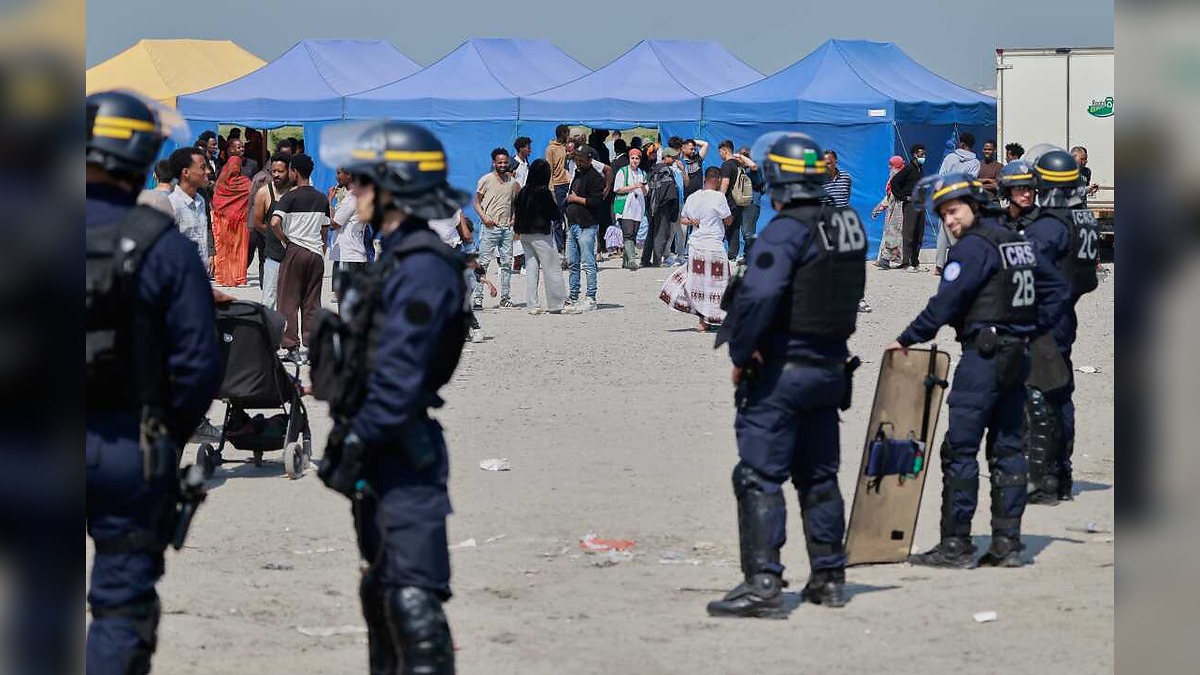
    Switzerland is preparing for the possibility of introducing legislation that would allow rejected asylum seekers to be transferred to migrant return hubs located outside Europe, following a broader migration initiative being advanced across the Schengen zone.

    Switzerland Faces New Migration Obligations

    As a participant in the Schengen area, Switzerland is expected to align itself with a package of migration measures developed by European institutions.

    The reforms are designed to accelerate the removal of asylum applicants whose claims have been denied and who are no longer entitled to remain in participating countries.

    The proposed framework has already gained support among European policymakers, though it still requires final approval from both the European Parliament and the European Council before becoming official.

    National Approval Process Still Required

    According to Switzerland’s State Secretariat for Migration (SEM), any adopted European rules would need to be incorporated into Swiss law within two years.

    However, implementation would not be automatic.

    Before any changes could take effect domestically, the proposal would have to navigate Switzerland’s political system, including parliamentary scrutiny and, potentially, a vote by Swiss citizens.

    Concept Centers on Offshore Return Facilities

    The migration plan envisions the creation of specialized return centers outside Europe where rejected asylum seekers could be transferred while deportation procedures are completed.

    At present, however, the idea remains largely theoretical.

    No such facilities have yet been established, and key practical questions remain unresolved.

    Swiss migration officials note that the success of the system depends on securing agreements with countries willing to host these centers.

    Any partner nation would also need to uphold internationally recognized human rights protections and comply with established legal standards governing the treatment of migrants.

    Finding Host Countries Could Prove Difficult

    One of the biggest challenges identified by experts is locating a suitable country prepared to cooperate with the scheme.

    A study commissioned by the SEM examined several models for handling asylum procedures and deportations beyond national borders.

    The researchers concluded that identifying a reliable partner state may be the most significant obstacle facing the project.

    According to the study, the central difficulty lies in finding a country capable of operating a return center on Switzerland’s behalf while ensuring that all activities are carried out in accordance with human rights obligations and international law.

    Human Rights Concerns Remain Central

    The debate over offshore return hubs is expected to focus heavily on legal and humanitarian safeguards.

    Supporters argue that the measures could streamline deportation procedures and improve migration management, while critics are likely to question whether adequate protections can be guaranteed for those transferred to facilities outside Europe.

    With the European institutions still expected to cast final votes on the proposal, the future of the return hub system remains uncertain.

    Even if approved at the European level, Switzerland would face a lengthy legislative process before any such centers could become part of its migration policy.