Category: Current Affairs

  • Royal Navy Helicopter Crashes Violently Into Field Near Okehampton in Devon as Residents Claim They Heard a Massive Explosion Shaking the Entire Area

    Royal Navy Helicopter Crashes Violently Into Field Near Okehampton in Devon as Residents Claim They Heard a Massive Explosion Shaking the Entire Area

    A major emergency operation is underway in Devon after a helicopter came down in a field close to the town of Okehampton in the early hours of the morning.

    Police officers and other emergency services rushed to the scene following reports of a crash in the Sourton Down area.

    The incident has triggered an ongoing investigation, with authorities yet to confirm key details about those on board or the circumstances surrounding the impact.

    Residents report loud blast and low-flying aircraft before crash

    People living nearby described being startled by a loud explosion shortly after 3.15am, with some reporting unusual helicopter activity in the area shortly before the incident.

    One resident said they heard a helicopter flying unusually low over the surroundings earlier in the night, while others were awakened by what they described as a sudden, sharp blast echoing across the rural landscape.

    Police cordons and widespread road closures in place

    Devon and Cornwall Police have confirmed that several roads around the crash site remain closed as emergency teams secure the area and carry out initial assessments.

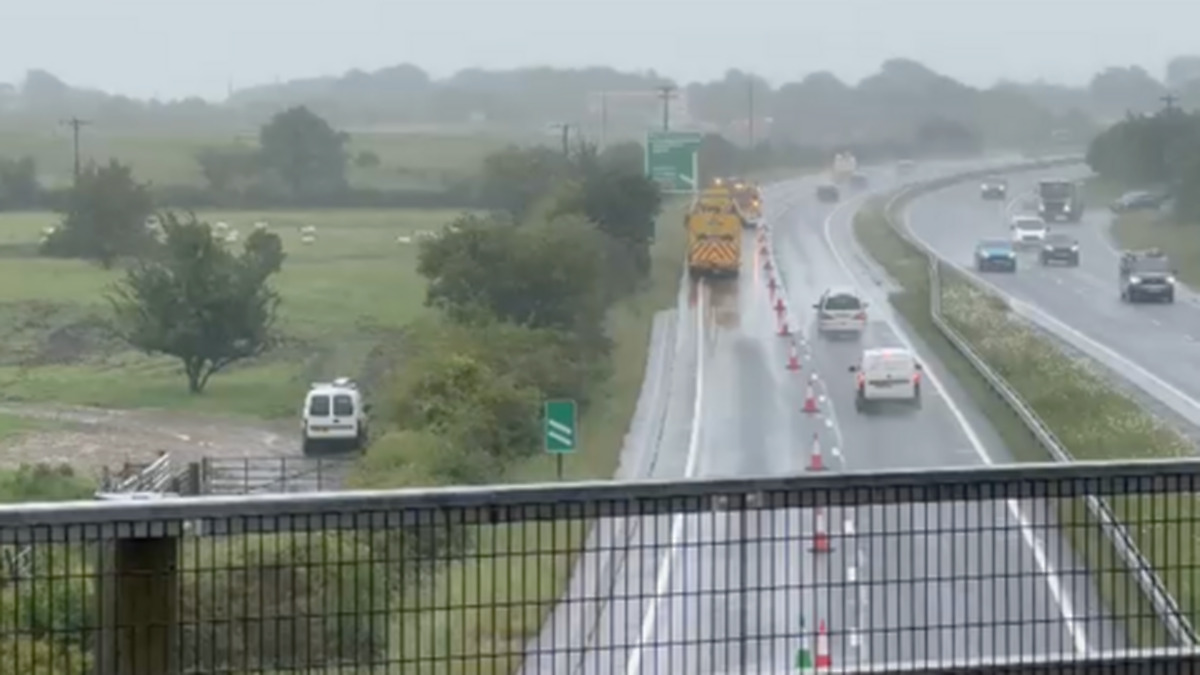
    Closures are affecting key routes including sections of the A386 and the A30 near the Sourton Cross slip road and service area.

    Traffic monitoring services have indicated that restrictions could remain in place until late morning as investigations continue.

    Officials have described the situation as ongoing, urging the public to avoid the area while emergency operations continue.

    Ministry of Defence confirms Royal Navy aircraft involvement

    The Ministry of Defence has confirmed that the aircraft involved in the crash was a Royal Navy helicopter, marking a significant development in the investigation.

    However, details remain limited, including how many people were aboard and whether there were any injuries or fatalities.

    Authorities have not yet released further information pending formal assessment and notification procedures.

    Investigation continues amid unanswered questions

    The cause of the crash remains unknown as specialist teams work alongside emergency responders to secure the site and gather evidence.

    With debris still being assessed and the area cordoned off, officials are expected to provide further updates as the investigation develops.

    For now, the incident remains a developing story, with many key questions still unanswered.

  • Britain Faces Explosive Asbestos Death Surge as New Research Warns Officials Are Underreporting Fatal Lung Cancer Toll Across UK Workplaces and Schools

    Britain Faces Explosive Asbestos Death Surge as New Research Warns Officials Are Underreporting Fatal Lung Cancer Toll Across UK Workplaces and Schools

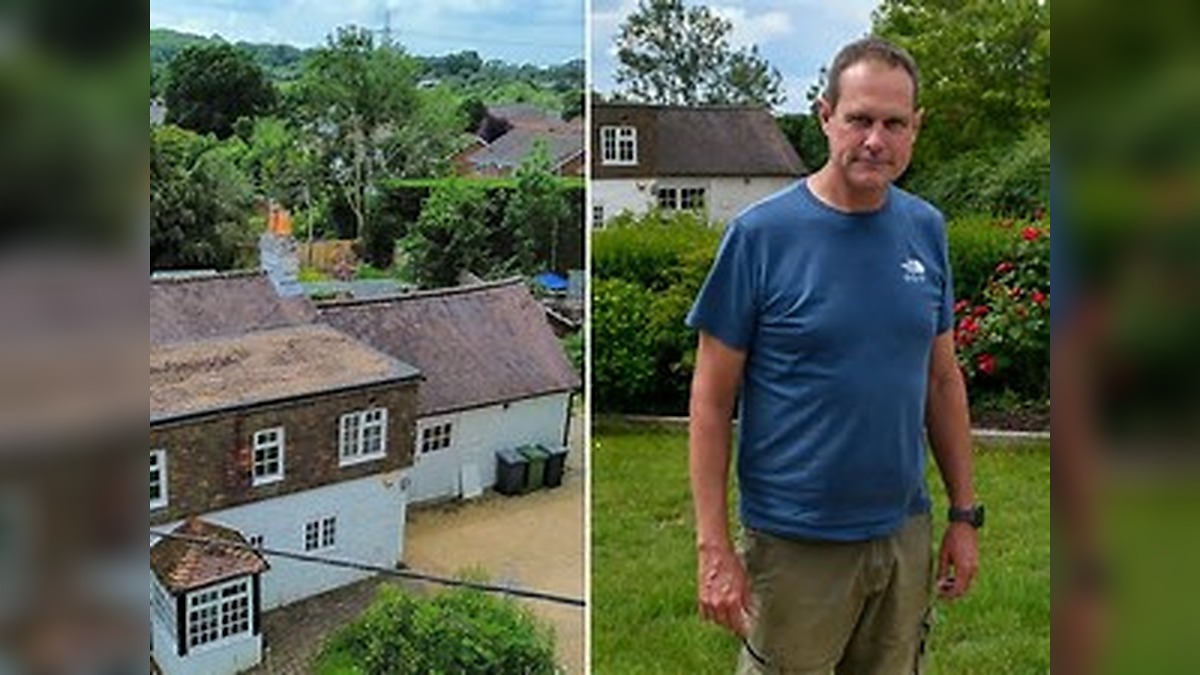
    John Flavin spent decades pushing for safer conditions on British construction sites, becoming one of the key figures behind major workplace reforms.

    From his early campaigning in the 1970s through to his leadership role as president of the Union of Construction, Allied Trades and Technicians (UCATT) in the 1990s, he helped reshape how the industry approached worker protection.

    His career later moved into senior management within the construction sector, including an executive position at Laing O’Rourke.

    Friends and family say his life’s work was driven by negotiation and reform rather than confrontation, with a focus on preventing the very hazards that would eventually take his life.

    From Marathon Fitness to a Sudden Collapse

    Despite his background in occupational safety, John’s health crisis came as a shock to his family in 2021.

    At 77, he began experiencing severe symptoms, including coughing up blood, despite maintaining an active lifestyle and running marathons.

    Initially dismissed as something minor due to his fitness and non-smoking history, his condition quickly escalated.

    Emergency scans revealed a large tumour in his right lung, leading to a diagnosis of asbestos-related lung cancer.

    Surgeons were able to remove part of his lung, but the disease progressed and he died the following year after a prolonged battle.

    Asbestos Death Toll Debate Reopens

    John Flavin’s case has become part of a wider controversy over how Britain records asbestos-related deaths.

    The Health and Safety Executive (Health and Safety Executive) currently estimates around 2,500 deaths annually from mesothelioma and another 2,500 from asbestos-linked lung cancer, producing a widely cited 1:1 ratio.

    However, new academic research suggests that this figure may significantly underestimate the true scale of fatalities.

    Some specialists now argue that total asbestos-related deaths could be as high as 22,500 each year, nearly four times higher than official estimates.

    White Asbestos Under Scrutiny

    Much of the debate centres on chrysotile, commonly known as white asbestos, which has long been considered less dangerous than blue or brown variants.

    White asbestos is still found in many buildings across the UK, including schools and hospitals.

    Research led by Professor Daniel Murphy of the University of Glasgow challenges that assumption, suggesting white asbestos may be far more strongly linked to lung cancer than previously understood.

    His work indicates that tumours caused by asbestos exposure are often indistinguishable from those caused by smoking, leading to misclassification in medical records.

    Laboratory Findings That Challenge Old Assumptions

    Professor Murphy’s experiments involved exposing mice to white asbestos fibres in a way that bypassed the lungs and directly targeted surrounding tissue.

    The results showed that white asbestos shortened lifespan in a similar way to blue and brown fibres.

    He argues that once trapped in lung tissue, white asbestos likely triggers chronic inflammation, potentially accelerating cancer development inside the lungs rather than only affecting the outer lung lining.

    This challenges the traditional view that white asbestos is mainly linked to mesothelioma rather than lung cancer.

    A Hidden Problem in Diagnosis

    One of the central concerns raised by researchers is diagnostic confusion.

    Because asbestos-related lung cancer resembles smoking-related cancer at a cellular level, many cases may be incorrectly attributed to tobacco use.

    Campaigners argue that this misclassification could be significantly lowering recorded asbestos-related death figures, masking the true scale of industrial exposure from past decades.

    Workers Who Were Never Protected

    Testimony from former workers continues to highlight how widespread exposure once was.

    John Flavin described handling raw asbestos materials during his teenage years, mixing asbestos powder by hand and working in dust-filled environments without any protective equipment or warnings.

    Similar accounts have emerged from shipyard and construction workers who say asbestos was routinely used for insulation, often handled in confined spaces with no respiratory protection.

    Families Left Facing Legal and Financial Struggles

    Families affected by asbestos-related illness say the system of compensation and benefits does not always reflect the reality of exposure.

    While some victims have received legal settlements through firms such as Irwin Mitchell and others, many cases remain difficult to prove, particularly when lung cancer is initially attributed to smoking.

    In several instances, compensation has only been secured after detailed legal challenges established a link to workplace exposure.

    Calls for Policy Reform Intensify

    Campaigners, including groups such as Airtight On Asbestos, are urging the government to reassess its approach to asbestos management in public buildings.

    Their central demand is a long-term, phased removal programme spanning several decades, beginning with schools and hospitals.

    Currently, UK policy generally permits asbestos to remain in place if it is not visibly damaged or deteriorating, a position critics argue is increasingly unsafe given new scientific findings.

    A Growing Dispute Over National Figures

    Experts in occupational health, including Professor Jukka Takala of the International Commission on Occupational Health, argue that the UK is underestimating the role of asbestos in lung cancer deaths compared with international evidence.

    Meanwhile, campaigners say consensus at recent industry conferences suggests the ratio of mesothelioma to asbestos-related lung cancer could be closer to 1:8 rather than 1:1, reinforcing calls for urgent review of official statistics.

    A Legacy That Raises Hard Questions

    For John Flavin’s family, the irony remains painful.

    A man who spent his life fighting to protect workers ultimately died from the very hazards he worked to eliminate.

    His daughter and other campaigners say his story reflects a wider national issue: thousands of deaths that may not be fully counted, and a system they believe still underestimates the long-term impact of asbestos exposure across Britain’s workplaces.

  • Kemi Badenoch Demands Britain “Acts on Justice” as She Compares Henry Nowak Killing in Southampton to Stephen Lawrence Case in Explosive Political Intervention

    Kemi Badenoch Demands Britain “Acts on Justice” as She Compares Henry Nowak Killing in Southampton to Stephen Lawrence Case in Explosive Political Intervention

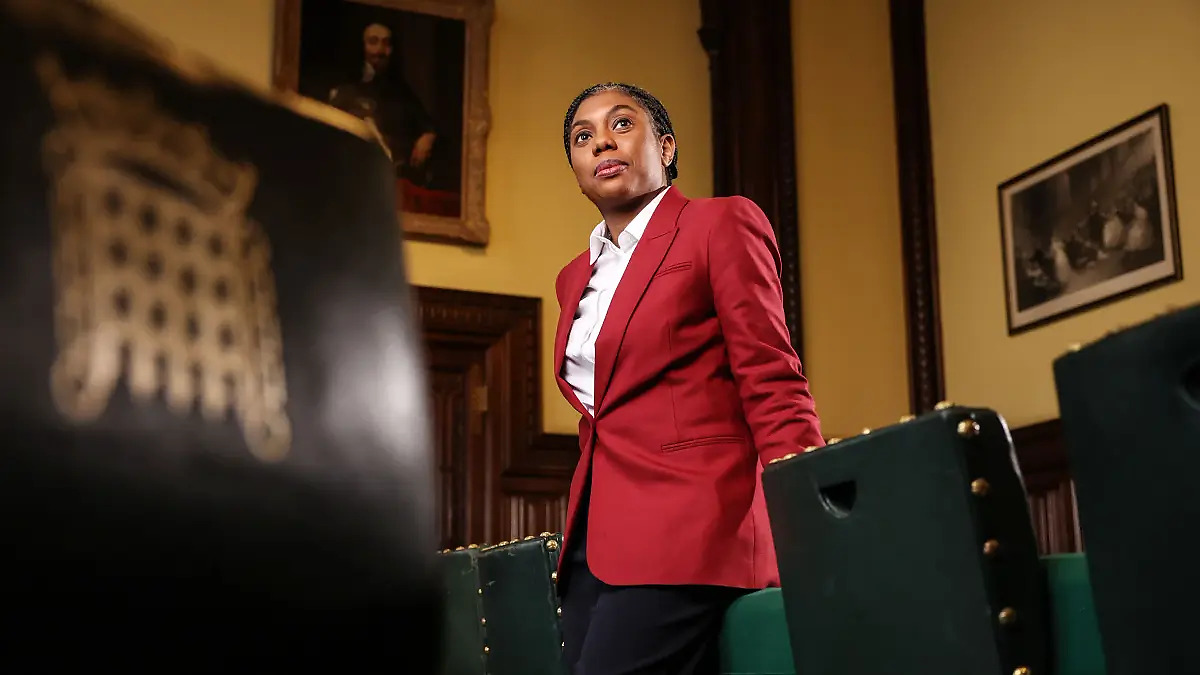
    Conservative Party leader Kemi Badenoch has said the death of 18-year-old Henry Nowak should become a defining national turning point, comparing it to the killing of Stephen Lawrence murder that reshaped policing in Britain.

    Writing in a national newspaper, she argued that the fatal stabbing of the university student, alongside what she described as a deeply flawed police response, represents a “seminal moment” in Britain’s ongoing struggle with racism and institutional trust.

    Badenoch said the case should force the country to confront uncomfortable questions about policing, public narratives, and what she called the growing influence of “identity politics” in shaping official reactions to violent crime.

    Fury Over Footage Showing Officers Handcuffing Dying Student

    Public anger has intensified after the emergence of distressing footage showing Henry being restrained by officers while critically injured on a Southampton street in Southampton last December.

    In the video, the 18-year-old can be heard repeatedly saying he had been stabbed, including the words “I can’t breathe,” as officers initially questioned his claims and kept him pinned to the ground.

    He was later confirmed to have suffered fatal stab wounds in the attack.

    The incident has triggered widespread criticism of police judgement, with questions raised about how emergency officers responded in the crucial minutes after the assault.

    One officer involved in the arrest has since resigned from Hampshire Police following public backlash.

    Attack, False Claims and a Fatal Stabbing

    Henry Nowak, a finance student, was attacked in December 2025 by 23-year-old Vickrum Digwa, who prosecutors said used an eight-inch ceremonial dagger during the assault.

    Digwa was later accused of attempting to mislead authorities by shifting blame and presenting himself as the victim after the stabbing.

    He was described in court proceedings as carrying multiple blades, including a religious kirpan, which became part of wider debate about religious exemptions for edged weapons.

    He has since been sentenced to life imprisonment with a minimum term of 21 years for murder.

    Political Backlash and Claims of “Two-Tier” Policing

    The case has rapidly become politically charged, with opposition figures accusing authorities of mishandling both the incident and the public narrative that followed.

    Reform UK leader Nigel Farage said the reaction highlighted what he described as an imbalance in how allegations of racism are treated compared with violent crime.

    He drew comparisons with global reactions to the death of George Floyd, arguing that the response in Britain had been comparatively muted.

    Farage also claimed the situation reflected what he called a “two-tier culture,” where public institutions respond differently depending on the perceived identity of those involved.

    Government Response and Questions Over Police Conduct

    Home Secretary Shabana Mahmood said she would consider whether existing rules around religious exemptions for carrying blades should be reviewed, though she stopped short of ordering a formal investigation into the policy itself.

    Meanwhile, the Independent Office for Police Conduct has confirmed it is examining the handling of the case, though officers involved are currently being treated as witnesses rather than suspects of misconduct.

    Authorities say none of the arresting officers have been formally disciplined or issued misconduct notices at this stage.

    Legal Fallout and Wider Weapons Charges

    Beyond the murder conviction, Digwa, his father Moga Singh, and brother Gurpreet Digwa are also facing multiple weapons-related charges connected to items recovered from their home in Southampton, including machetes, knuckledusters, a baton, and swords.

    Police reportedly seized the weapons the day after Henry’s death, adding further scrutiny to the household and the circumstances surrounding the case.

    The wider proceedings have been adjourned for further hearings, with additional court dates expected later in the year.

    Family Statements and Community Reaction

    Following the conviction, Digwa’s family issued a public statement expressing remorse, saying they wished they could “turn back time” and apologising to both Henry’s relatives and parts of the Sikh community they said had been “brought into disrepute.”

    Despite this, they also expressed continued emotional support for the convicted killer, a remark that has drawn further public attention.

    As the case continues to spark national debate, it remains a focal point for discussions about policing, identity, and justice in modern Britain.

  • Police Arrest Alabama Man as Authorities in Homewood Uncover How He Allegedly Threw Five Kittens from Moving Car on I-65 Near Lakeshore Drive in Shocking Interstate Horror Incident

    Police Arrest Alabama Man as Authorities in Homewood Uncover How He Allegedly Threw Five Kittens from Moving Car on I-65 Near Lakeshore Drive in Shocking Interstate Horror Incident

    A disturbing case of alleged animal cruelty in Alabama has led to the arrest of a 21-year-old man after authorities say five kittens were thrown from a moving vehicle on a busy interstate, resulting in their deaths and widespread public outrage.

    911 Calls Prompt Rapid Police Intervention in Homewood

    The incident unfolded on Interstate 65 near Lakeshore Drive, where the Homewood Police Department began receiving multiple emergency calls around 1 p.m. on Saturday.

    Callers reported a vehicle in motion from which small animals were being thrown onto the roadway.

    Officers were quickly dispatched to the area and began gathering information from motorists who witnessed the event as traffic continued to flow along the highway.

    Witness Accounts Help Identify Suspect Vehicle

    According to police statements, several witnesses described seeing a driver throw multiple kittens out of a moving car while traveling along I-65.

    Their accounts provided critical details that allowed officers to track down the vehicle involved.

    Once the car was located, authorities stopped and detained the driver, later identified as 21-year-old Thomas Ronald Liccione of Birmingham.

    Five Kittens Killed After Being Thrown Into Traffic

    Authorities confirmed that all five kittens did not survive the incident.

    Police reported that after being thrown from the vehicle, the animals were struck by other passing cars on the interstate.

    The department described the outcome as tragic, noting the severity of injuries sustained immediately after the animals were ejected into traffic.

    Arrest Made on Aggravated Animal Cruelty Charges

    Liccione was taken into custody and charged with aggravated cruelty to animals, a Class C felony under Alabama law.

    The offense covers intentional acts that cause severe harm, torture, or death to animals.

    If convicted, the charge carries a potential sentence ranging from one to ten years in prison, along with fines that can reach up to $15,000.

    Police confirmed that Liccione was booked into the Jefferson County Jail, with bond set at $15,000.

    Online jail records indicate he was booked around 5 p.m. on Saturday and released after posting bond roughly an hour later.

    Police Thank Witnesses as Outrage Spreads Online

    The Homewood Police Department issued a public statement emphasizing the importance of community cooperation in the arrest, thanking motorists who immediately contacted emergency services and provided key information at the scene.

    Officials also reiterated that animal cruelty cases are treated with seriousness and urgency.

    Public reaction on social media has been overwhelmingly critical, with many users expressing shock and anger over the alleged actions.

    Comments described the incident as “cruel and heartless,” while others questioned how anyone could harm such vulnerable animals.

    The case continues to draw attention as the investigation moves forward.

  • Trump Administration Proposes Shock 12.5% Tariff on Australian Goods in Washington Move That Targets Canberra Over Forced Labour Claims Across Trade System

    Trump Administration Proposes Shock 12.5% Tariff on Australian Goods in Washington Move That Targets Canberra Over Forced Labour Claims Across Trade System

    The United States is preparing a sweeping shift in its trade policy that could significantly affect Australian exporters, with the administration of President Donald Trump proposing a 12.5 per cent tariff on all goods imported from Australia.

    The measure forms part of a wider crackdown linked to concerns over forced labour in global supply chains.

    The proposal follows an extensive review conducted by the Office of the United States Trade Representative, which assessed practices across 60 countries and concluded that none had sufficiently strong safeguards to block products associated with forced labour from entering their markets.

    Global Assessment Triggers Tiered Tariff System

    As part of its findings, the U.S. trade authority has outlined a two-tier tariff structure aimed at countries depending on the strength of their import controls on forced labour goods.

    A lower rate of 10 per cent would apply to countries that already maintain some form of import ban on forced labour products, even if those systems are considered incomplete or weak.

    This group includes Canada, Ecuador, the European Union, Indonesia, Mexico and Pakistan.

    However, a higher tariff of 12.5 per cent would target countries deemed to lack an effective enforcement framework. Australia has been placed in this category, alongside 54 other nations.

    Australia Braces for Economic Impact

    For Australia, the proposed measures could have far-reaching economic consequences.

    In 2025 alone, the country exported more than $48.5 billion worth of goods and services to the United States, making the U.S. one of its most important trading partners.

    Beef remains Australia’s most valuable export to the American market, accounting for roughly $4 billion annually.

    Analysts warn that the introduction of a 12.5 per cent tariff could increase costs for importers and ultimately lead to higher prices for U.S. consumers.

    The policy shift would therefore not only affect trade volumes but could also reshape pricing dynamics in key sectors, particularly agriculture.

    Washington’s Justification and Forced Labour Concerns

    The USTR report argues that Australia has not gone far enough in preventing goods linked to forced labour from entering its supply chains.

    According to the findings, the absence of a sufficiently strong import prohibition system was described as both “unreasonable” and disruptive to U.S. commercial interests.

    The report also claimed that such gaps in enforcement contribute to an uneven competitive environment for American workers.

    While the document did not provide detailed examples of alleged breaches by Australia, it maintained that the broader policy shortcomings justified trade penalties.

    Canberra Rejects Allegations

    Australia has pushed back strongly against the findings, with officials defending the country’s modern slavery and labour protections.

    A spokesperson for Trade Minister Don Farrell said Canberra does not accept the U.S. assessment, arguing that Australia already has “robust, comprehensive and world-leading legislation” aimed at tackling forced labour.

    The government also stressed that it will continue engaging with U.S. counterparts to challenge what it describes as unjustified trade restrictions and to defend the existing free trade framework between the two countries.

    Wider Trade Pressure Across Multiple Countries

    The proposed tariffs are not limited to Australia.

    Several major economies, including Japan, South Korea, China, India, Switzerland and the United Kingdom, are also expected to face the 12.5 per cent rate under the same classification system.

    U.S. trade officials have framed the policy as a necessary response to what they describe as persistent global failures to eliminate forced labour from international supply chains.

    Jamieson Greer, the USTR ambassador, said the current system places American workers at a disadvantage, arguing that stronger action is needed to prevent forced labour-linked goods from distorting global competition.

    Policy Still Under Review Before Enforcement

    Despite the announcement, the tariffs are not yet final.

    The proposal will undergo a public consultation process, with written submissions invited until July 6, followed by formal hearings.

    The timing also aligns with the expiration of a temporary tariff measure introduced earlier in the year, which had imposed a 10 per cent duty for a limited 150-day period.

    That earlier move was enacted under a rarely used trade provision allowing short-term tariff action to address international economic pressures, marking a broader continuation of aggressive trade enforcement strategies by the Trump administration.

  • Rupert Lowe Explodes As BBC Blocks Restore Britain Candidate From Question Time Debate In Makerfield Despite Poll Showing Party Surging Ahead Of Tories And Greens

    Rupert Lowe Explodes As BBC Blocks Restore Britain Candidate From Question Time Debate In Makerfield Despite Poll Showing Party Surging Ahead Of Tories And Greens

    Tensions surrounding the upcoming Makerfield by-election intensified after the BBC unveiled the guest line-up for a special edition of Question Time, triggering accusations of political bias and election interference from Rupert Lowe and his party, Restore Britain.

    The controversy erupted after Restore Britain discovered its candidate, Rebecca Shepherd, had not been invited to participate in the televised debate despite polling ahead of several parties that were included.

    Restore Britain Claims BBC Is Trying To Silence Growing Support

    Anger spread quickly within Restore Britain ranks after the BBC confirmed the programme would feature representatives from Labour, Reform UK, the Conservatives, the Liberal Democrats and the Green Party — but not Restore Britain.

    Party officials argued the decision ignored local polling data showing the movement had gained more support in the constituency than several traditional parties scheduled to appear on the broadcast.

    In a furious social media response, Rupert Lowe accused what he described as the “British establishment” of attempting to suppress his party’s rise ahead of the by-election.

    He urged voters in Makerfield to back Restore Britain, claiming the election could produce one of the biggest political shocks in recent British history.

    The party later confirmed it was consulting lawyers over the matter, describing the omission as “blatant election interference.”

    Legal Threats Emerge As BBC Bias Claims Escalate

    A spokesman for Restore Britain intensified the confrontation by accusing the national broadcaster of deliberately trying to undermine the party’s momentum.

    According to the spokesman, establishment institutions fear growing public support for Restore Britain and are attempting to prevent voters from hearing directly from the party’s candidate during a major televised event.

    The spokesman also repeated Rupert Lowe’s long-running criticism of the BBC, warning that a future Restore Britain government would move to strip funding from the corporation.

    The broadcaster has not publicly responded to the legal threats or accusations of political favouritism.

    Andy Burnham And Reform UK Prepare For Heated Television Clash

    Despite the uproar, the special Makerfield debate is expected to attract major attention because it will feature a direct confrontation between Andy Burnham and Reform UK candidate Robert Kenyon.

    The two campaigns have spent weeks exchanging attacks through interviews and media appearances, turning the by-election into one of the most closely watched political contests in the country.

    Also joining the programme are Conservative candidate Michael Winstanley, Liberal Democrat representative Jake Austin and Green Party hopeful Sarah Wakefield.

    Polling Suggests Tight Race Between Labour And Reform

    The BBC’s decision became even more controversial because the only publicly released poll from the constituency suggested Restore Britain currently commands more support than several invited parties.

    Research conducted by Survation placed Labour narrowly ahead on 43 percent, with Reform UK close behind on 40 percent.

    The same survey showed Restore Britain polling at 7 percent — significantly ahead of the Liberal Democrats on 4 percent, the Greens on 3 percent and the Conservatives on just 2 percent.

    If those numbers are reflected in the final vote, several established parties could fail to secure enough support to retain their election deposits.

    Reform UK Sees Restore Britain As A Threat To Right-Wing Votes

    While Restore Britain directed its anger toward the BBC, Reform UK figures privately welcomed the exclusion.

    Concerns have been growing inside Reform UK that Rupert Lowe’s party could divide right-leaning voters and hand victory to Labour.

    A senior Reform source previously criticised Lowe, claiming he was driven more by personal ambition than by national interests.

    The source argued Restore Britain’s presence in the race risked damaging Reform UK’s chances while benefiting Andy Burnham’s campaign.

    Rupert Lowe Fires Back At Reform Critics

    Rupert Lowe rejected Reform UK’s criticism and insisted the attacks reflected panic inside Nigel Farage’s party.

    According to Lowe, the hostility from Reform politicians suggested their own internal polling showed Restore Britain gaining significant traction in Makerfield.

    He insisted the party’s campaign was gathering momentum and claimed voters were increasingly turning toward Restore Britain as an alternative to both Labour and Reform UK.

    As the by-election approaches, the dispute surrounding the BBC debate has added another explosive layer to an already bitter political battle in Makerfield.

  • Alan Titchmarsh Sells His £3.5Million Hampshire Farmhouse and Escapes Holybourne Village Fury as Controversial 156-Home Development Threatens Countryside Life

    Alan Titchmarsh Sells His £3.5Million Hampshire Farmhouse and Escapes Holybourne Village Fury as Controversial 156-Home Development Threatens Countryside Life

    Television gardening icon Alan Titchmarsh has officially parted ways with his sprawling Hampshire countryside retreat after months on the property market, closing a chapter that coincides with growing controversy over a proposed housing development planned just beyond the estate’s gardens.

    The veteran presenter and author, alongside his wife Alison, has now relocated to Surrey after selling the Grade II-listed Manor Farm House in Holybourne, a picturesque village near Alton.

    The couple had originally listed the historic property for £3.95 million before eventually reducing the asking price by nearly half a million pounds in order to secure a buyer.

    Their departure comes while residents continue to fiercely oppose plans that could dramatically reshape the quiet rural community.

    Villagers Fear Massive Development Could Transform Rural Community

    At the center of the local dispute is a proposal that would introduce as many as 156 new homes on land directly behind Titchmarsh’s former estate.

    The project, submitted by developers Redbrown, covers approximately 15.6 hectares and has triggered intense backlash from residents of Holybourne, a village with a population of around 1,500 people.

    Locals argue that such a large-scale development would fundamentally alter the character of the countryside setting. Concerns range from increased traffic and parking shortages to fears over flooding and pressure on local infrastructure.

    According to planning documents, the scheme could generate roughly 700 additional car journeys every day, with vehicles relying largely on a single access route into the development.

    The consultation process has become one of the most divisive local planning debates in the area, attracting hundreds of objections from residents determined to protect the village’s rural identity.

    Hundreds Object as Supporters Push Affordable Housing Argument

    While opposition has dominated the public response, some residents have backed the plans due to the promise of affordable housing.

    Around 40 percent of the proposed homes are expected to fall into that category, something supporters believe could help address growing housing demand in the district.

    Still, objections have heavily outweighed endorsements.

    More than 500 complaints have reportedly been submitted over worries tied to congestion, environmental damage, and the overall impact on village life.

    Another sensitive issue involves archaeology.

    Residents and historians fear that ancient Roman artifacts linked to the historic settlement of Vindomi could be disturbed or permanently lost if construction moves forward.

    Coins and pottery have previously been discovered in nearby areas dating back decades.

    Titchmarsh Insists Move Was Planned Long Before Housing Row

    Despite speculation among locals, Titchmarsh has repeatedly denied that the controversial development influenced his decision to leave the property.

    The broadcaster previously explained that the move was part of a long-term plan to downsize as he and Alison enter a new stage of life.

    The couple celebrated their 50th wedding anniversary last year and wanted a home that would be easier to manage in later years.

    Speaking about the decision, Titchmarsh said maintaining four acres of landscaped gardens and a historic Georgian farmhouse had become increasingly demanding.

    He stressed that the move was motivated by practicality rather than frustration over nearby construction proposals.

    He also pointed out that their new Surrey home places them much closer to their daughters, Polly and Camilla, as well as their grandchildren.

    New Surrey Property Marks Dramatic Lifestyle Change

    The couple’s new residence could hardly be more different from the centuries-old farmhouse they left behind.

    Titchmarsh and his wife purchased a luxury five-bedroom property in Surrey that had previously been won through an Omaze prize draw by childcare worker Rachael Reid, who famously secured the house with a £10 raffle ticket.

    Unlike the traditional Georgian-style estate in Hampshire, the new property is a sleek single-storey modern home.

    Titchmarsh has openly embraced the contrast, describing the house as contemporary and refreshingly different from the historic surroundings they previously occupied.

    Sources close to the broadcaster say he has settled happily into the new environment.

    A Garden Built Over Decades Becomes Someone Else’s Legacy

    For Titchmarsh, leaving the Hampshire estate was not simply a real-estate transaction but an emotional goodbye to a garden he had spent decades shaping.

    The grounds surrounding Manor Farm House had become renowned for their carefully designed organic landscapes, wildlife-friendly spaces, and mature planting schemes.

    The presenter once described the process of walking away from the property as “a wrench,” acknowledging the emotional attachment tied to years of work on the land.

    He also expressed hope that the next owners would continue nurturing the gardens while adapting them to their own vision.

    The former estate itself had undergone extensive renovation during the Titchmarshes’ ownership after they purchased it for £1.2 million in 2002.

    Residents Continue Campaign Against Proposed Estate

    Although the television star has now left the village, the fierce debate over the future of Holybourne is far from over.

    Some residents have suggested that the looming development may have played a bigger role in the timing of the sale than publicly admitted.

    One local previously remarked that the prospect of a major estate appearing behind a countryside home would naturally make any homeowner reconsider their future there.

    Planning discussions remain ongoing, with consultation over the proposals continuing until June 21.

    For now, villagers remain divided between the need for housing expansion and fears that Holybourne could permanently lose the peaceful character that has long defined it.

  • Security Industry Authority Boosts Whistleblower Protections as UK Government Grants SIA Prescribed Person Status Under PIDA in Dramatic Regulatory Shift Across Britain

    Security Industry Authority Boosts Whistleblower Protections as UK Government Grants SIA Prescribed Person Status Under PIDA in Dramatic Regulatory Shift Across Britain

    Workers in Britain’s private security sector have been given enhanced legal protection when raising concerns with the industry regulator, following a change in whistleblowing law that formally recognises the Security Industry Authority as a prescribed body for disclosures.

    The development means staff reporting wrongdoing to the Security Industry Authority are now covered by stronger safeguards under the Public Interest Disclosure Act 1998, particularly if they suffer retaliation such as dismissal or unfair treatment after speaking up.

    New legal status expands protection for security workers

    Under the updated framework, disclosures made directly to the SIA about misconduct in the private security industry are now legally recognised as protected whistleblowing reports.

    This includes reports linked to unlicensed security activity, suspected fraud, criminal behaviour, regulatory breaches, and risks that could affect public safety.

    The change follows the commencement of a statutory instrument laid before Parliament earlier this year, formally upgrading the SIA’s role in handling whistleblower information.

    Workers can report concerns either confidentially or anonymously, and the regulator has also updated its guidance to help individuals understand how the process works and what protections now apply.

    Industry regulator says reporting wrongdoing is essential

    The SIA has welcomed the change, stressing that effective regulation depends heavily on information from those working within the industry.

    Michelle Russell, Chief Executive of the Security Industry Authority, said security staff must feel supported when raising concerns and confident that their reports will be taken seriously.

    She noted that employers should encourage open reporting cultures, where issues can be raised, investigated properly, and resolved without fear of retaliation.

    According to the regulator, the strengthened protections are designed to ensure workers are not deterred from speaking up.

    Whistleblowing support groups back the move

    The reforms have also received backing from industry and advocacy figures, including David Ward MBE, founder of City Security Council.

    He described the change as a long-overdue step that closes a gap in how frontline security staff can escalate concerns to regulators.

    He argued that giving workers a protected channel to report misconduct directly to the SIA strengthens accountability across the sector and helps raise professional standards.

    The charity Protect, which specialises in whistleblowing support, has also been consulted on the changes and supports efforts to build confidence among workers who report wrongdoing.

    Martyn’s Law inclusion planned for future phase

    The SIA’s new prescribed status currently applies to its regulatory responsibilities within the private security industry.

    However, the government has indicated that whistleblowing provisions linked to Martyn’s Law will be added once the law is fully implemented, which is expected in Spring 2027.

    Officials say the expansion will further broaden protections for workers reporting concerns connected to public protection and venue security in the future.

    Guidance issued as regulator prepares for wider reporting role

    To support the change, the SIA has published updated whistleblowing guidance explaining how disclosures can be made and what legal protections are now in place for workers who report concerns.

    The regulator says the aim is to strengthen trust in the private security industry, improve standards, and ensure that wrongdoing is identified and addressed more quickly through safe reporting channels.

  • Iran REJECTS Appeal and Keeps British Couple Craig and Lindsay Foreman Locked Inside Tehran’s Notorious Evin Prison as Furious Family Accuses UK Government of “Passive Management”

    Iran REJECTS Appeal and Keeps British Couple Craig and Lindsay Foreman Locked Inside Tehran’s Notorious Evin Prison as Furious Family Accuses UK Government of “Passive Management”

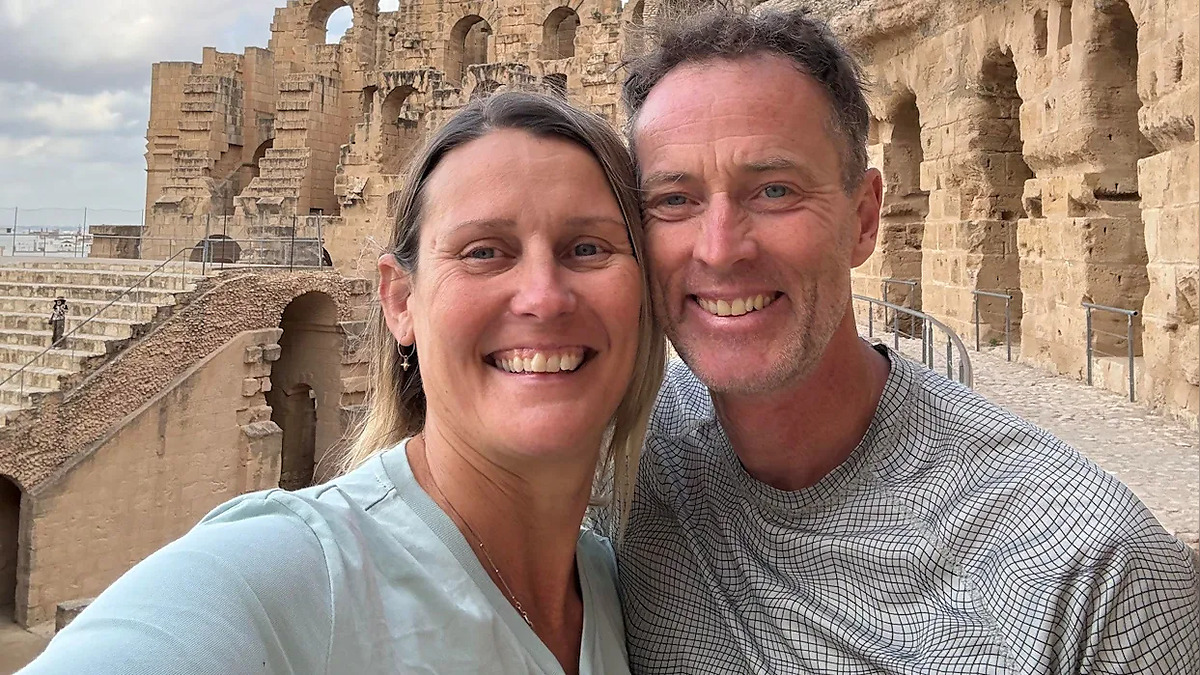
    Fresh anguish has gripped the family of British nationals Craig Foreman and Lindsay Foreman after Iranian authorities rejected the couple’s appeal against their 10-year prison sentences on espionage charges they strongly deny.

    The pair, both from East Sussex, remain imprisoned inside Tehran’s infamous Evin Prison, a detention facility long associated with political prisoners and foreign detainees.

    Their relatives now fear the couple are being swallowed by what they describe as an opaque and deeply unfair judicial system.

    The failed appeal has intensified criticism of the UK Government’s handling of the case, with Lindsay’s son accusing officials of merely “managing” the crisis instead of aggressively pursuing the couple’s freedom.

    Son Says Couple Are Vanishing Into an “Unjust System”

    Speaking after the appeal decision, Lindsay’s son Joe Bennett said the family had seen little progress despite months of diplomatic discussions.

    According to Joe, the process surrounding the case has been marked by secrecy and confusion, leaving relatives with almost no understanding of how decisions are being made inside Iran’s legal system.

    He argued that British authorities must move beyond simply monitoring the situation and instead apply meaningful diplomatic pressure on Tehran.

    The latest setback came after Craig and Lindsay were reportedly prevented from attending their own appeal hearing, deepening concerns that the proceedings lacked fairness from the start.

    Hunger Strike Deepens Concern Over Their Health

    The appeal rejection comes as the couple continue a joint hunger strike launched in desperation after, according to their family, they felt they had exhausted every other option to force international attention onto their case.

    Craig has now spent more than three weeks refusing food, while Lindsay’s strike has also stretched into multiple weeks.

    Joe described his mother as determined but emotionally and physically exhausted after spending more than 500 days in detention under severe prison conditions.

    Family members say the pair have endured overcrowded cells, rat infestations, constant psychological pressure, and repeated restrictions on communication.

    Even limited prison visits between the married couple have allegedly been cancelled at the last moment.

    Their ability to speak with one another has also reportedly been heavily restricted, with conversations monitored and reduced to only brief exchanges.

    Arrest During Motorcycle Journey Turned Into Espionage Case

    Craig, a carpenter, and Lindsay, who works as a business coach, were arrested in January last year in Kerman, southern Iran, during a round-the-world motorcycle expedition that was expected to finish in Australia.

    The journey had personal significance for the couple. Friends and relatives said they embraced motorcycling in memory of Lindsay’s brother Ashley, who died in a motorcycle accident decades earlier.

    Despite entering Iran with official visas, an approved itinerary and a guide, the pair were later accused of spying for Britain and Israel.

    Their lawyers, along with British officials, have consistently argued that the allegations are baseless.

    The family believes the couple are being treated less like convicted criminals and more like political leverage amid broader tensions between Iran and Western governments.

    Questions Raised Over Iran’s Appeal Process

    Relatives say they still do not know exactly what arguments were presented during the appeal hearing or whether the couple were fully informed about proceedings taking place in their names.

    Joe revealed that Iranian officials allegedly pressured the pair to sign documents written in a language they could not understand. According to him, they refused.

    The case has now reportedly moved to Iran’s Supreme Court, though the family says they have received almost no explanation about the next legal steps, possible timelines, or whether any meaningful review will actually occur.

    Joe described the original trial as a “sham” and argued the appeal process appeared to follow the same pattern, with little transparency and almost no opportunity for a genuine defence.

    Family Frustrated With British Government Response

    The family’s anger has increasingly turned toward the UK’s Foreign, Commonwealth and Development Office, which they believe has failed to apply enough pressure publicly.

    Joe said meetings with British officials have not provided clarity on what diplomatic measures are actually being taken against Tehran.

    He also claimed the family was initially discouraged from contacting former detainees and campaigners connected to similar Iranian detention cases, including supporters of Nazanin Zaghari-Ratcliffe.

    Officials reportedly advised the family to rely on “quiet diplomacy” rather than public campaigning.

    However, relatives eventually reached out to Nazanin’s husband, Richard Ratcliffe, after the Foremans were transferred to Evin Prison.

    Family Says Embassy “Lost” the Couple After Prison Strike

    One of the most alarming moments for the family came after Israeli strikes reportedly hit areas connected to Evin Prison.

    Joe said relatives temporarily lost all contact with Craig and Lindsay and struggled to confirm whether they were alive or had been moved elsewhere.

    According to him, the British Embassy in Iran later admitted it did not know their exact location for a period of time.

    That incident, Joe said, destroyed what little confidence the family still had in the system handling the case.

    Echoes of Nazanin Zaghari-Ratcliffe Case Resurface

    The Foremans’ ordeal has drawn comparisons to the long detention of Nazanin Zaghari-Ratcliffe, the British-Iranian woman imprisoned in Iran for nearly six years on accusations linked to attempts to destabilise the Iranian regime.

    Her supporters long argued she was effectively being used as diplomatic leverage during disputes between Tehran and London.

    Joe believes Richard Ratcliffe’s persistent campaigning, including public hunger strikes outside Downing Street, ultimately helped secure international pressure that contributed to Nazanin’s release.

    Inspired by that example, the Foreman family has now launched petitions, fundraising campaigns and public awareness drives in an effort to stop Craig and Lindsay from fading from public attention.

    UK Government Condemns Sentences But Maintains Diplomatic Efforts

    Britain’s Foreign Office has continued to publicly condemn the sentences handed to the couple.

    Officials said they were disappointed by the failed appeal and insisted diplomatic work was continuing to secure the pair’s return to the UK.

    The department also confirmed that British diplomats, including the ambassador to Tehran, have visited the couple in prison and helped facilitate contact with family members.

    Meanwhile, the UK continues to warn all British and dual British-Iranian nationals against travelling to Iran because of the serious risk of detention and arrest.

    Foreign Secretary Yvette Cooper previously described the couple’s imprisonment as completely unjustifiable and appalling.

    For the Foreman family, however, those words are no longer enough.

    Their campaign now centres on one message: keeping Craig and Lindsay visible before they disappear deeper into Iran’s prison system.
  • Israeli Forces Eliminate Hamas Nukhba Deputy Commander Yousef Ayesh Awad Ramadan in Gaza After Alleged Role in Re’im Junction Abductions During October 7 Assault

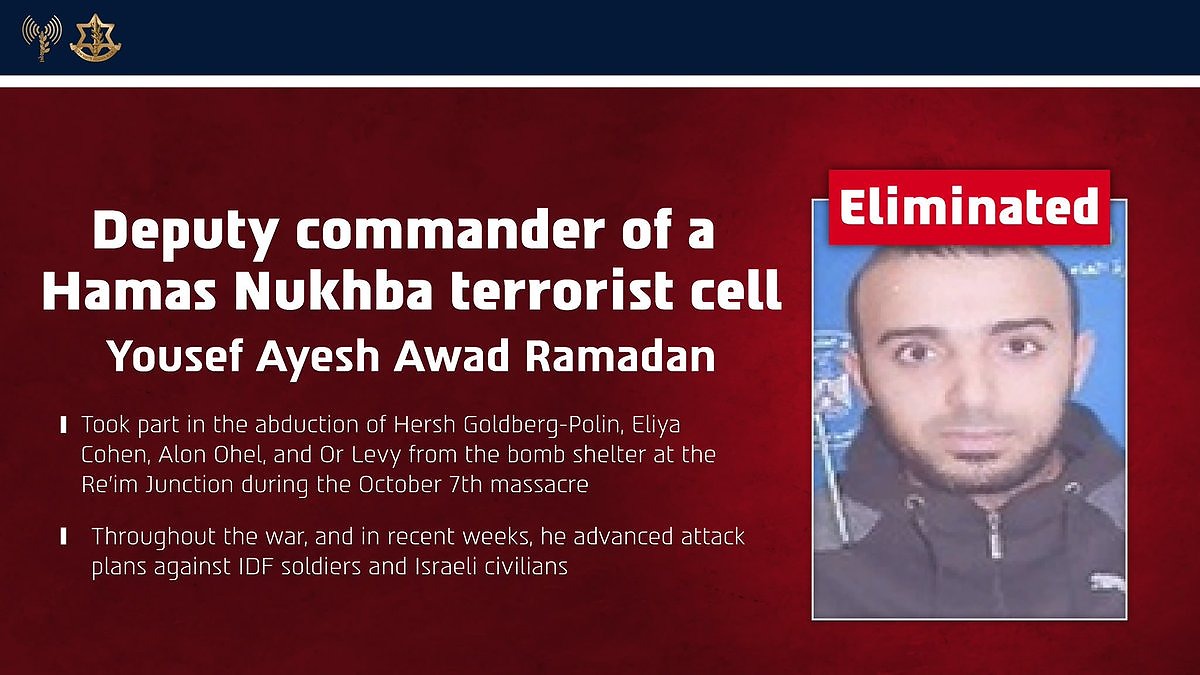
    Israeli Forces Eliminate Hamas Nukhba Deputy Commander Yousef Ayesh Awad Ramadan in Gaza After Alleged Role in Re’im Junction Abductions During October 7 Assault

    Israeli authorities have reported the death of Yousef Ayesh Awad Ramadan, identified as a deputy commander within a Hamas Nukhba unit. According to the statement, he was eliminated during operations in the Gaza Strip.

    Role in October 7 Cross-Border Assault

    Ramadan was alleged to have taken part in the October 7 attacks in southern Israel.

    Officials said he crossed into Israeli territory during the assault and was involved in the abduction of several civilians from a bomb shelter at the Re’im Junction area.

    The individuals named in connection with that incident include Hersh Goldberg-Polin, Eliya Cohen, Alon Ohel, and Or Levy, who were reportedly taken during the chaos of the attack.

    Allegations of Operational Planning and Militancy

    Beyond the abduction incident, Ramadan was also described as being involved in advancing attack plans targeting both Israeli civilians and Israel Defense Forces personnel.

    Military sources characterized him as an active operational figure within the unit.

    His activities were said to extend to planning further assaults, contributing to ongoing security concerns in the region.

    Ongoing Military Operations in Gaza

    The killing of Ramadan was presented as part of broader military operations aimed at dismantling militant infrastructure in Gaza.

    Israeli officials stated that individuals involved in planning or executing attacks continue to be targeted as part of these efforts.

    The announcement comes amid continued fighting and intelligence-driven operations across multiple areas of the territory.

    Security Context and Continuing Tensions

    The incident highlights the ongoing volatility of the conflict, with both sides continuing to report casualties and operational developments.

    Israeli authorities maintain that such actions are intended to reduce immediate threats to civilians and military personnel.

    Tensions remain high as operations in Gaza continue alongside broader regional security concerns.