Category: Health

  • John Fashanu Publicly Blasts Daughter Amal Fashanu in Explosive Health Denial Clash as Family Feud Erupts in Lagos Over Mystery Illness Claims

    John Fashanu Publicly Blasts Daughter Amal Fashanu in Explosive Health Denial Clash as Family Feud Erupts in Lagos Over Mystery Illness Claims

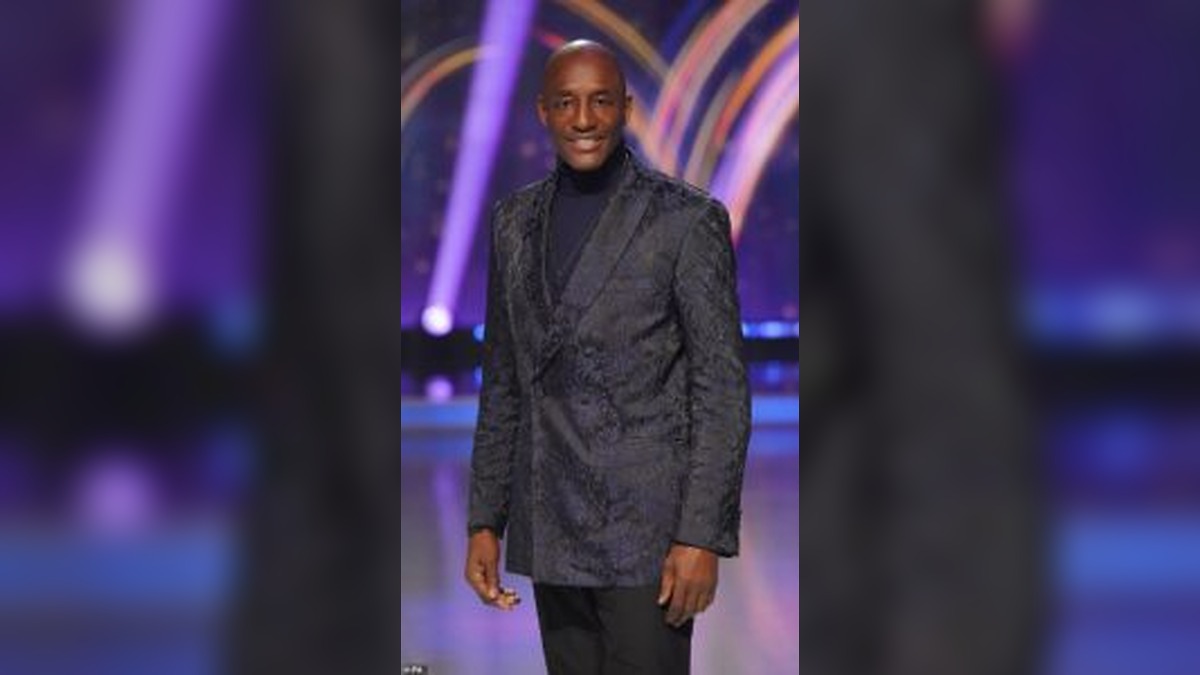
    Former England international and television personality John Fashanu has publicly denied suggestions that he is battling a serious or unexplained health condition, responding sharply to comments made by his daughter, Amal Fashanu, in a recent interview.

    The 63-year-old former striker said claims that his health had deteriorated, possibly due to repeated heading of footballs during his professional career, were entirely inaccurate.

    He expressed disappointment over the remarks, insisting that he remains physically and mentally well despite recent personal and legal challenges.

    Former Football Star Says Stress, Not Illness, Caused Weight Loss

    Addressing concerns about his appearance, Fashanu explained that recent weight loss was linked to emotional strain stemming from ongoing legal disputes involving land he owns in Nigeria.

    According to him, prolonged court battles and complications surrounding the sale of the property affected his appetite and led to a temporary drop in weight.

    However, he stressed that this should not be interpreted as evidence of declining health.

    The former footballer stated that while the experience had been traumatic, he has recovered from the period of distress and continues to remain active across a range of professional and charitable projects.

    Disagreement Emerges Over Nature of Father-Daughter Relationship

    A central point of contention involves differing accounts of the relationship between Fashanu and his daughter.

    Amal recently suggested that the pair had reconciled after a lengthy estrangement and that she had been travelling regularly to Nigeria to assist with her father’s affairs.

    Fashanu, however, disputes that version of events.

    He maintained that Amal does not manage his business interests and said he relies on a dedicated team of advisers, lawyers and associates in both the United Kingdom and Nigeria.

    He further claimed that her recent visit to Nigeria was her first trip to see him in some time and that she introduced her husband to him during that visit.

    Multiple Projects Keeping Fashanu Busy

    Far from slowing down, Fashanu said he is currently involved in several initiatives, including work on his autobiography, charitable fundraising efforts and research focused on legal and social welfare reform.

    He revealed that he has been collaborating with academics, lawyers and social care professionals to examine weaknesses within child protection and foster care systems in both Nigeria and the United Kingdom.

    The project aims to identify gaps in existing frameworks and explore potential reforms.

    In addition, he confirmed that he has spent recent months documenting his life story, dedicating time each weekend to writing sections of an autobiography that will present his experiences from his own perspective.

    Former Striker Challenges Agency Claims

    Another issue raised by Fashanu concerns Amal’s assertion that she once acted as his agent.

    The former Wimbledon forward firmly rejected that claim, stating that she has never represented him professionally and does not speak on his behalf.

    Their disagreement follows Amal’s account that communication between them broke down in 2023 after she learned he had agreed to participate in a television project without her knowledge during a period when she believed she was handling aspects of his career.

    Wedding Plans Spark Further Differences

    Amal recently shared plans for an elaborate wedding celebration with her husband, Ghanaian businessman Mohamad Odaymat, despite the couple already having completed a small civil ceremony.

    The entrepreneur said the larger event is expected to attract hundreds of guests and include traditional celebrations in both Nigeria and Spain, reflecting the cultural backgrounds of her parents.

    She expressed hope that both her mother and father would participate in the festivities and described plans for a multi-day celebration that could involve transporting guests between countries.

    Fashanu, however, said he was unaware of the scale of the proposed celebrations and claimed he had only recently learned of details surrounding his daughter’s marriage when she visited him in Nigeria.

    Clarification Over Marriage and Family Matters

    The former footballer also pushed back against reports concerning his personal life, particularly suggestions about the number of times he has been married and the status of his current relationship.

    Fashanu stated that he has been married three times and remains happily married to his wife, Vivian, with whom he currently lives in Nigeria.

    Reflecting on family tensions, he suggested that unresolved feelings connected to his past relationship with Amal’s mother may still influence their interactions.

    While acknowledging the complexities involved, he said he continues to care deeply for his daughter despite their current disagreements.

    No Joint Business Ventures Planned

    Amal has spoken publicly about ambitions to expand her business interests in West Africa, including plans for a wellness centre and additional retail ventures connected to her growing matcha tea brand.

    She had indicated that her father might become involved through a football academy linked to the project.

    Fashanu, however, dismissed the suggestion, saying no such partnership exists and that he has no plans to pursue a joint business venture with her.

    He added that he is already occupied with football development projects of his own.

    A Career Defined by Football Success

    Fashanu rose to prominence after beginning his professional career with Norwich City before establishing himself at Wimbledon during the club’s most successful era.

    Known for his physical style of play, he scored more than 100 league goals for Wimbledon and played a significant role in the club’s rise to the top division.

    He was also part of the team that famously defeated Liverpool in the 1988 FA Cup final.

    His performances earned him two appearances for the England national football team.

    Amal Continues Work Honouring Uncle Justin Fashanu

    Alongside her business activities, Amal remains involved in advocacy work through the The Justin Fashanu Foundation, named after her late uncle, Justin Fashanu.

    Justin became the first openly gay professional footballer in Britain and remains a significant figure in discussions surrounding inclusion and mental health in sport.

    Amal has said she hopes to incorporate a tribute to her uncle during her future wedding celebrations, describing it as a meaningful way to honour his memory.

    Hope for Reconciliation Despite Public Dispute

    Despite his strong criticism of his daughter’s comments, Fashanu indicated that he has not given up hope of repairing their relationship.

    The former footballer acknowledged the emotional difficulty of responding publicly but said he felt compelled to address statements he believed were inaccurate.

    While he intends to maintain some distance for now, he stressed that Amal remains his daughter and expressed hope that the family can eventually move beyond the current dispute.
  • Woman In Britain Risks Health Debate As She Considers Switching From Mounjaro In UK Weight Loss Dilemma Over Unlicensed “Godzilla Jab” Retatrutide Alternative

    Woman In Britain Risks Health Debate As She Considers Switching From Mounjaro In UK Weight Loss Dilemma Over Unlicensed “Godzilla Jab” Retatrutide Alternative

    A growing number of users of GLP-1 weight-loss medications are finding themselves at a crossroads as initial dramatic results begin to stall, raising questions about cost, long-term use, and emerging alternatives.

    One such case involves a woman who says her experience with Mounjaro transformed both her body and mental wellbeing, but has now left her reconsidering her next step as her progress levels off.

    Dramatic Early Results on Prescription Injection

    After beginning treatment last year, she reported a rapid reduction in appetite and a significant decrease in “food noise” — the constant cravings that previously drove her eating habits.

    Within six months, she says she lost around two stone, bringing her weight down to approximately 11.5 stone.

    The improvement, she explains, had a noticeable effect on her overall health and confidence, leading her to continue the medication at a reduced maintenance dose of 2.5mg administered weekly.

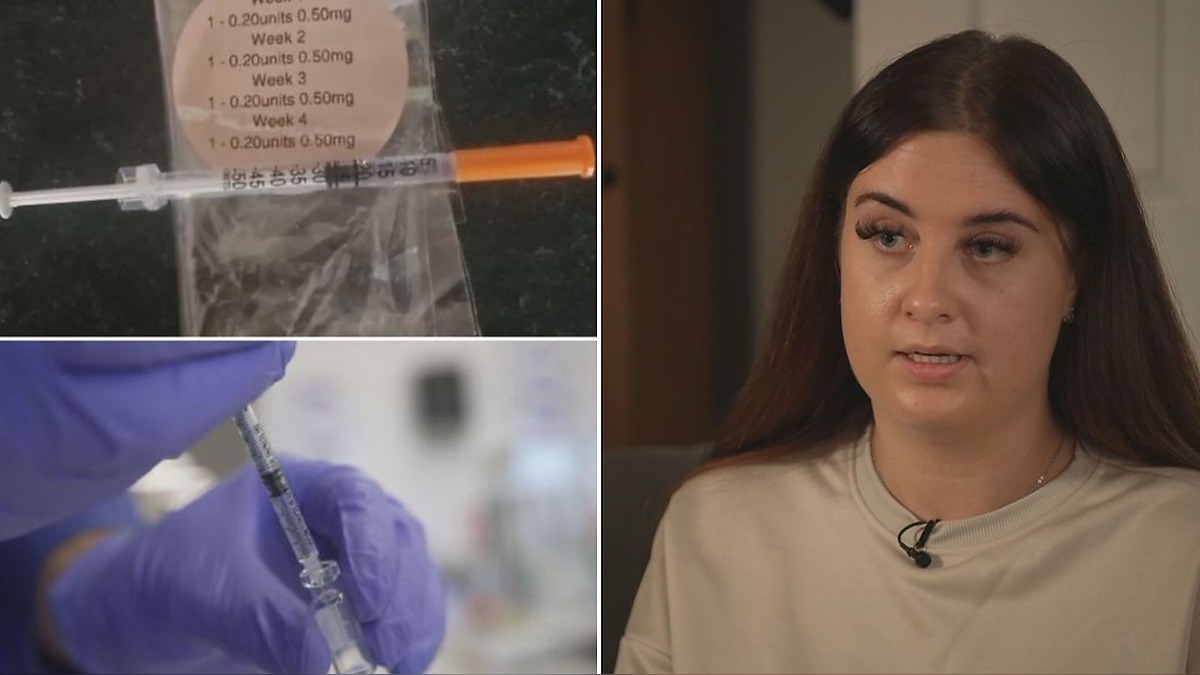
    The injections, delivered subcutaneously into abdominal fat, became a routine part of her week as she sought to maintain her new weight.

    Progress Stalls Despite Continued Treatment

    However, over the past half-year, the expected downward trend on the scales has stopped.

    Despite continued use of the drug, her weight has remained unchanged.

    Although she acknowledges being significantly lighter than she has been in years, she notes that at 5ft 7in her body mass index still places her in the “overweight” category according to NHS guidelines.

    The stagnation has led to frustration, particularly given the financial commitment of roughly £180 per month for private prescriptions.

    With no further weight loss occurring, she estimates she is now spending more than £2,000 annually without measurable benefit.

    Considering Dose Changes and New Experimental Alternatives

    Faced with a plateau, she is now weighing two options: increasing her Mounjaro dosage at additional cost or switching to a newer experimental drug informally referred to as the “Godzilla jab.”

    The compound, retatrutide, has shown promising results in clinical trials, with participants reportedly achieving significantly higher weight loss than those using tirzepatide-based treatments such as Mounjaro.

    Some studies have suggested reductions exceeding a quarter of body weight over extended periods.

    Unlike currently licensed medications, however, retatrutide remains unapproved for prescription use in the UK, with regulatory clearance not expected until the latter part of the decade.

    The Rise of a “Grey Market” Drug Economy

    Despite its unlicensed status, retatrutide has already developed a presence online.

    Reports suggest it is being distributed through unofficial channels, often marketed under the guise of “research use only” products.

    These versions are not regulated by medicines authorities, raising concerns about quality control, storage conditions, and accurate dosing.

    Nevertheless, the accessibility and relatively lower cost compared with private prescriptions have contributed to growing interest among potential users.

    Some social media influencers have also been promoting their experiences with the drug, sharing dramatic weight-loss claims and directing followers toward unofficial suppliers.

    Social Media Influence and Normalisation Concerns

    Experts studying illicit pharmaceutical markets say platforms such as TikTok and online forums are playing a significant role in normalising the use of unlicensed peptides.

    Researchers warn that anecdotal success stories can create a false sense of safety, encouraging users to experiment without medical supervision.

    Affiliate marketing and informal referral networks are also believed to be accelerating demand.

    The combination of persuasive influencer content and easy online access has led to what some academics describe as a “rapidly expanding and poorly understood” market.

    Health Risks and Uncertainty Around Dosage

    Medical and criminology researchers caution that the safety profile of retatrutide is not yet fully established.

    While expected side effects are similar to other GLP-1 drugs — including nausea, constipation, and gastrointestinal distress — early observations suggest potentially stronger reactions at higher doses.

    Reports from informal user communities describe additional concerns such as elevated heart rate, anxiety, sleep disruption, and in some cases severe panic symptoms.

    A further complication is inconsistent dosing. Products sold outside regulated systems may vary in strength or quality, increasing the risk of under- or over-dosing when users adjust intake based on perceived results.

    A Personal Decision to Wait

    Despite growing interest in experimental alternatives, the patient behind this account says she is unwilling to take risks with unregulated medications.

    While acknowledging the pressure and appeal created by social media discussions, she has decided to continue with medically approved treatment pathways for now, preferring to wait for fully licensed options rather than experiment with uncertain compounds.

  • Global Scientists RACE to Deploy Experimental Ebola Vaccines as Deadly Bundibugyo Outbreak SPREADS Across Democratic Republic of Congo and Uganda Amid Rising Death Toll

    Global Scientists RACE to Deploy Experimental Ebola Vaccines as Deadly Bundibugyo Outbreak SPREADS Across Democratic Republic of Congo and Uganda Amid Rising Death Toll

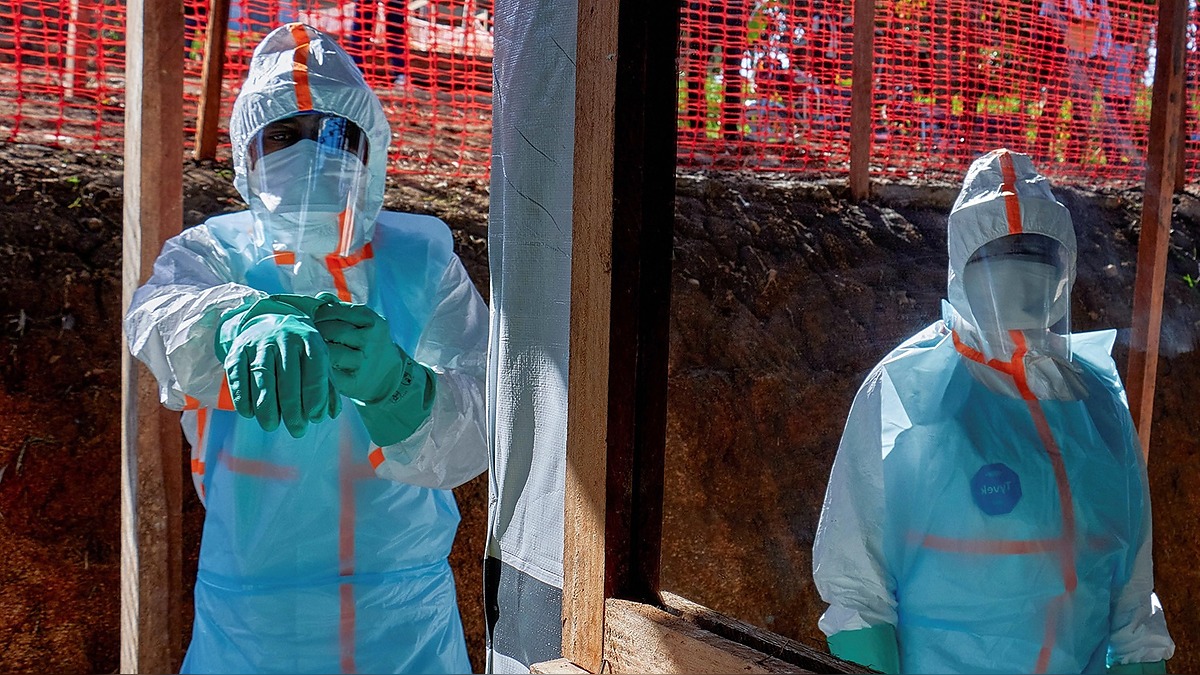
    A race to contain a fast-moving Ebola outbreak in Central Africa has triggered urgent global scientific activity, with three separate vaccine candidates now under rapid development as health authorities warn the situation could escalate further.

    The outbreak, driven by the Bundibugyo strain, has already resulted in more than 1,000 suspected cases and over 250 deaths, primarily across the Democratic Republic of the Congo and parts of Uganda.

    Experts caution that the true scale may be significantly higher.

    Health officials working with the World Health Organization have warned that the situation remains highly fluid, with international surveillance widened after isolated suspected cases were flagged in countries including Brazil, Italy and Austria—though all have tested negative so far.

    Fears Grow as Bundibugyo Strain Shows High Fatality Potential

    Unlike more commonly studied Ebola variants, the current outbreak involves the Bundibugyo strain, which is known to have a fatality rate of up to 50% and currently has no licensed vaccine.

    This has raised alarm among epidemiologists who fear the outbreak could exceed the devastating 2014–2016 West Africa epidemic, which caused more than 11,000 deaths.

    Humanitarian experts from Doctors Without Borders have described the situation as “deeply alarming,” warning that case numbers are rising faster than response systems can fully track.

    Field reports from eastern Democratic Republic of the Congo show overwhelmed hospitals, strained burial teams, and increasing community resistance in some areas, complicating containment efforts.

    Three Vaccine Programs Enter High-Speed Development

    In response to the escalating crisis, three major vaccine initiatives are now underway, led by a combination of academic institutions, biotech firms, and global health partnerships.

    Researchers at the University of Oxford are working on a candidate vaccine expected to enter human testing within two to three months, though widespread availability is not expected in the immediate future.

    Meanwhile, the biotech company Moderna is applying its mRNA platform—previously used during the COVID-19 pandemic—to rapidly design a targeted Ebola vaccine.

    A third approach is being developed by the International AIDS Vaccine Initiative, which is adapting an existing Ebola vaccine technology to address the Bundibugyo strain.

    Dr Mark Feinberg of IAVI warned that the outbreak could become one of the most severe ever recorded, stressing that vaccine development is now a top global priority.

    Scientific Race Against Time as Trials Remain Months Away

    Despite rapid progress, researchers caution that all three vaccine candidates remain in early stages.

    IAVI’s modified vaccine approach has shown promising results in animal studies, reportedly offering near-complete protection in primates, but experts estimate it could still take up to nine months before clinical trials are fully underway.

    Oxford scientists similarly acknowledge that while development is accelerating, logistical and safety testing requirements will delay deployment in affected regions.

    Dr Richard Hatchett of the Coalition for Epidemic Preparedness Innovations emphasized that every day is critical, noting that the absence of an approved vaccine makes rapid containment far more difficult.

    WHO Warns True Scale May Be Larger Than Reported

    Officials at the World Health Organization have raised concerns that current case counts may underestimate the real extent of transmission due to limited testing capacity and delayed reporting in remote regions.

    WHO Director-General Dr Tedros Adhanom Ghebreyesus said early vaccine development could transform outbreak control efforts but warned that immediate containment measures remain essential.

    He also urged countries to reconsider travel restrictions affecting Ebola-hit regions, arguing that such measures may discourage reporting and cooperation with health teams.

    Ground Conditions in Congo Remain Volatile and Unpredictable

    In the hardest-hit areas of the Democratic Republic of the Congo, medical teams report ongoing challenges including community resistance, attacks on health facilities, and disruptions to safe burial procedures.

    Red Cross and emergency responders continue to carry out decontamination and recovery operations under protective protocols, as Ebola remains highly infectious even after death.

    Authorities have imposed flight restrictions in and out of key outbreak zones, while neighbouring countries remain on alert for possible cross-border transmission.

    Global Preparedness Under Scrutiny as Outbreak Spreads

    Public health analysts warn that the outbreak is testing global readiness for highly lethal infectious diseases, especially in regions with limited healthcare infrastructure.

    Some experts argue that international systems remain underfunded and reactive rather than proactive, increasing the risk of wider spread before vaccines become available.

    At the same time, health authorities continue to emphasize that Ebola is only contagious once symptoms appear, with a 21-day incubation period providing a critical window for contact tracing and isolation.

    Outlook: Containment Possible, but Urgency Intensifies

    While officials in the Democratic Republic of the Congo estimate that containment could be achieved within four to six months under optimal conditions, scientists caution that such projections depend heavily on rapid vaccine deployment, community cooperation, and sustained international support.

    For now, the global health community remains in a high-stakes race: slow enough progress in vaccine development could allow the outbreak to expand further, while accelerated success could mark a turning point in preventing one of the most serious Ebola crises in recent years.

  • Tokyo Professor Defies Deadly Stage 4 Cancer Diagnosis After Doctors Predicted Just a 20 Percent Survival Chance and Undergoes Radical Self-Led Recovery Journey in Japan

    Tokyo Professor Defies Deadly Stage 4 Cancer Diagnosis After Doctors Predicted Just a 20 Percent Survival Chance and Undergoes Radical Self-Led Recovery Journey in Japan

    A family celebration in Tokyo was meant to mark a career-defining achievement.

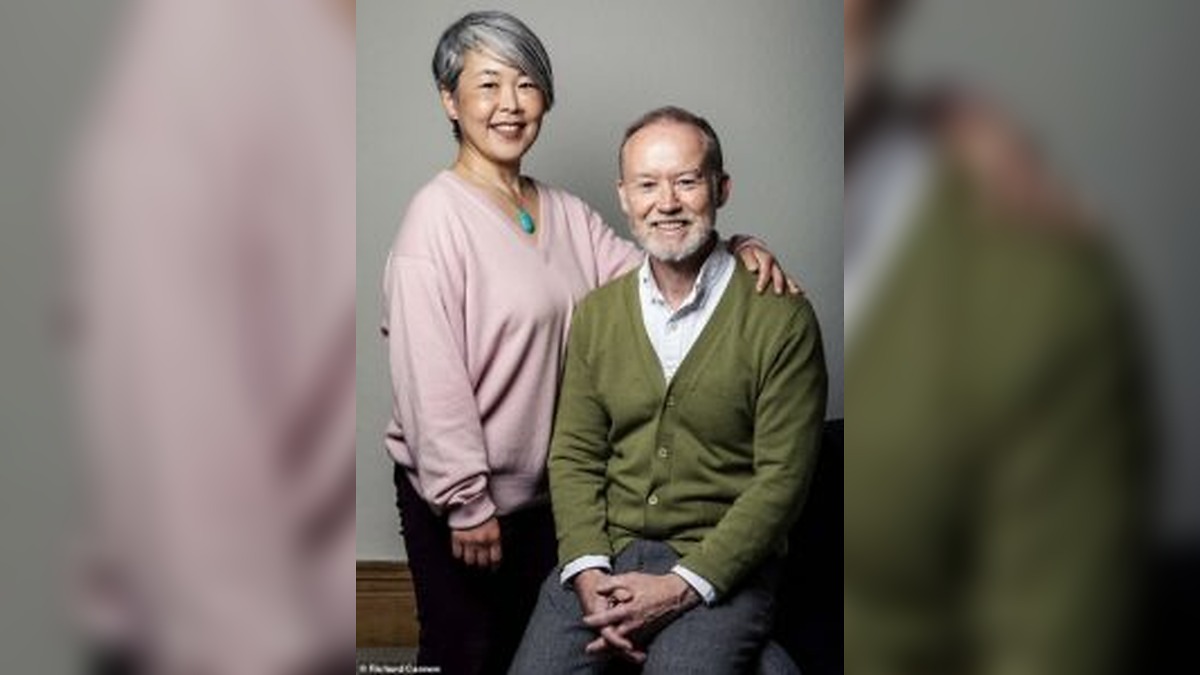
    Surrounded by his wife and two young daughters, Michael Handford had just been promoted to professor of intercultural communication at the University of Tokyo, a distinction he attained at the age of 42 after years of academic work.

    As candles flickered atop a specially made cake, his children sang a playful version of a congratulatory song in honor of his new title.

    Yet beneath the joyful atmosphere, Handford was carrying a secret that transformed the occasion into something far more complex.

    Only days earlier, doctors had delivered a shocking diagnosis: stage 4 throat cancer.

    A Healthy Lifestyle Made the News Hard to Believe

    The diagnosis seemed almost impossible to reconcile with Handford’s everyday reality.

    He was active, regularly playing football with younger teammates, maintaining strong fitness levels, and receiving excellent results during routine health examinations.

    The only warning sign had been a swelling on one side of his neck, roughly the size of a grape.

    Encouraged by his wife, Mayu, he sought medical advice.

    Further testing revealed a large tumor hidden behind his tonsils measuring 5.5 centimeters.

    Cancer had already spread to nearby lymph nodes and had begun affecting additional glands in his neck and chest.

    Doctors delivered a grim assessment. His chances of surviving beyond five years were estimated at around 20 percent.

    A Grueling Treatment Plan Offered Little Comfort

    Because the disease had advanced significantly, surgery was ruled out as an option.

    Instead, doctors proposed an aggressive treatment strategy involving intensive chemotherapy followed by 35 sessions of radiotherapy.

    The medical team warned that the process would be physically punishing and potentially leave lasting effects.

    Among the predicted consequences were dramatic weight loss, chronic fatigue, severe pain, loss of taste, damage to salivary glands, depression, cognitive difficulties, and even the possibility of secondary cancers caused by radiation exposure.

    The chemotherapy itself carried risks, including potentially fatal allergic reactions.

    Faced with these prospects, Handford felt overwhelmed by the uncertainty surrounding both his survival and his future quality of life.

    Choosing Preparation Over Immediate Treatment

    Rather than beginning treatment immediately, Handford made a decision that surprised some of his doctors.

    At the suggestion of a friend who taught yoga, he requested a two-week delay to prepare physically and mentally for the ordeal ahead.

    The approach, known as prehabilitation or “prehab,” focuses on strengthening a patient before treatment begins.

    After discussion, doctors agreed that a short postponement would not significantly affect his prognosis.

    For Handford and his family, the extra time felt worthwhile.

    With no guarantees about the future, they believed preparation offered the best chance of facing what lay ahead.

    Transforming Body and Mind Before the Battle

    The two-week period became an intense effort to improve his overall wellbeing.

    Handford immersed himself in daily exercise, including running, swimming, and weight training.

    His diet underwent a complete overhaul under his wife’s guidance.

    Processed foods, alcohol, sweets, and refined carbohydrates were replaced with plant-based meals, whole grains, juices, tofu, and nutrient-rich supplements.

    He also committed to daily yoga and reflexology sessions. The reflexology treatments, administered by his wife, were particularly painful, focusing on pressure points believed to correspond with various parts of the body.

    Meanwhile, yoga sessions emphasized acceptance rather than resistance.

    Through meditation and controlled breathing, Handford gradually found emotional stability and a renewed sense of hope.

    What had initially felt like a death sentence began to feel like a challenge he could confront.

    Finding Strength Through Acceptance

    Beyond the physical benefits, the preparation period helped him regain a sense of control.

    A close friend later recalled seeing fear and despair in Handford’s eyes immediately after the diagnosis.

    Over the following weeks, that despair slowly gave way to determination.

    Handford says the experience taught him to accept his condition emotionally rather than constantly fight against the reality of it.

    That shift in mindset became a crucial source of strength as treatment approached.

    He also lost excess weight and entered chemotherapy feeling healthier and more focused than he had immediately after learning of his cancer.

    The Pain of Telling His Children

    Among all the challenges he faced, informing his daughters about his illness remains one of the most difficult memories.

    His conversation with his eldest daughter, Julia, left a particularly deep mark.

    Sitting together in her bedroom, he struggled through tears as he explained that he had cancer.

    Her immediate question—whether he was going to die—captured the fear confronting the entire family.

    Handford recalls feeling shattered by the conversation.

    Until then, he had always tried to shield his children from suffering.

    Suddenly, he was forced to acknowledge that he could not protect them from this uncertainty.

    Although explaining the situation to his younger daughter was somewhat easier due to her age, the experience was equally heartbreaking.

    Becoming a Patient Who Asked Questions

    As treatment began, Handford adopted another strategy he believes played an important role in his journey: refusing to surrender all decision-making to the medical system.

    He describes himself as becoming a “disagreeable patient,” not in the sense of creating conflict, but by asking questions and challenging assumptions when something did not feel right.

    Following his first week-long chemotherapy cycle, he felt better than expected and noticed a dramatic reduction in swelling.

    He questioned whether a second round of chemotherapy was necessary before conducting further scans.

    However, treatment protocols favored completing the established regimen.

    Despite his concerns, the plan moved forward.

    A Serious Reaction Changes the Course of Treatment

    His instincts appeared to be validated when he suffered a severe allergic reaction during the second chemotherapy cycle.

    The episode was frightening and chaotic, involving emergency intervention from multiple doctors and nurses.

    The treatment was immediately halted.

    Subsequent scans revealed remarkable progress.

    Tumors within his lymph nodes had nearly disappeared, while the primary tumor had shrunk dramatically.

    According to Handford, his doctors expressed surprise at the extent of the response, describing it as one of the most impressive treatment outcomes they had seen.

    Radiotherapy Delivers a Heavy Toll

    Although chemotherapy had been cut short, radiotherapy still awaited.

    The treatment ultimately eradicated the cancer, but the process was devastating.

    Within weeks, Handford lost around one-fifth of his body weight.

    Eating became agonizingly painful, and his physical strength deteriorated significantly.

    By the end, the cancer was gone, but the experience left lasting scars.

    He believes that maintaining healthy habits, staying active whenever possible, and preserving a sense of personal agency helped reduce some of the physical and emotional costs associated with treatment.

    Growing Recognition of Prehabilitation

    Since Handford’s experience 15 years ago, interest in prehabilitation has expanded significantly.

    Research has increasingly suggested that improving fitness, nutrition, mental wellbeing, and lifestyle habits before major medical treatment can enhance recovery and resilience.

    A 2019 study published in Clinical Medicine highlighted the potential of prehabilitation to help patients better withstand medical interventions and reduce complications.

    Organizations including the NHS and cancer charity Macmillan have also promoted programs focusing on exercise, nutrition, smoking cessation, alcohol reduction, and mental health support before treatment.

    Life After Cancer

    Today, Handford lives in Cardiff and continues his academic career. Although cancer-free, he acknowledges that the experience permanently changed him.

    He tires more easily than before and has become more selective about the demands he places on himself.

    Rather than constantly pushing toward new achievements, he now prioritizes balance, family, and long-term wellbeing.

    Looking back, he credits modern cancer treatments with saving his life.

    Yet he also believes that preparing his body and mind before treatment, questioning decisions when necessary, and staying actively involved in his care helped him navigate one of the most difficult periods imaginable.

    Fifteen years after being told he had only a modest chance of survival, he remains healthy, active, and deeply grateful for the second chance he was given.

  • Shocking Health Crisis Strikes as Peabo Bryson Suffers Stroke and Is Hospitalized Under Medical Care in United States Amid Global Fan Concern

    Shocking Health Crisis Strikes as Peabo Bryson Suffers Stroke and Is Hospitalized Under Medical Care in United States Amid Global Fan Concern

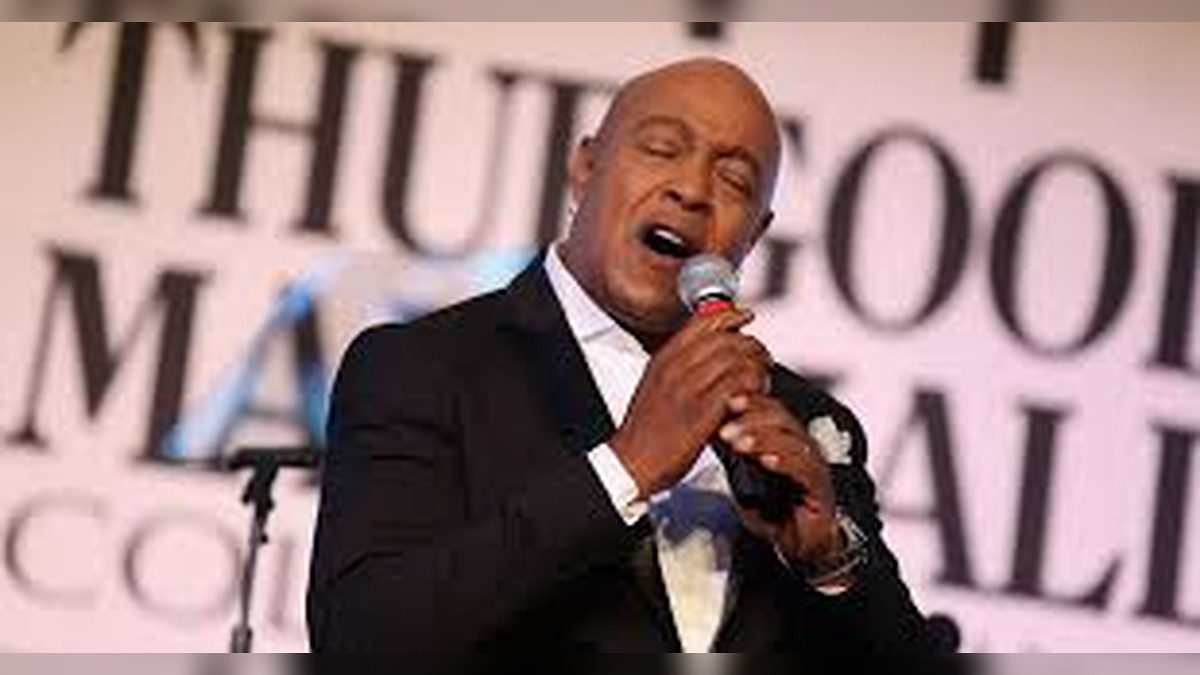
    Legendary soul and R&B vocalist Peabo Bryson has suffered a stroke and is currently receiving medical care, according to a statement released by his representative on Sunday.

    The announcement has prompted an outpouring of concern from fans around the world as the 75-year-old artist begins what is expected to be a closely monitored recovery.

    The singer’s family has also requested privacy as they manage the situation, describing the moment as deeply personal while expressing gratitude for public support.

    Family Appeals for Privacy as Fans Send Support

    In the official statement, Bryson’s representative emphasized that the singer is surrounded by loved ones as he undergoes treatment.

    The family asked for space to navigate the health crisis away from public pressure, while still acknowledging the wave of encouragement coming from supporters.

    They also noted that messages of goodwill, prayers, and emotional support from fans and colleagues are being welcomed and appreciated during this difficult period.

    Health Scare Follows Previous Cardiac Incident

    This latest medical emergency comes several years after Bryson experienced a mild heart attack at his home in Georgia, a health scare that had already raised concerns about his wellbeing at the time.

    Despite that setback, Bryson continued to remain connected to the music industry, occasionally performing and reflecting publicly on his long career spanning decades.

    Iconic Voice Behind Beloved Disney Classics

    Bryson is widely celebrated for his powerful vocals and romantic ballads, particularly his collaborations on two of Disney’s most enduring soundtrack songs.

    He performed “Beauty and the Beast” alongside Celine Dion for the 1991 animated film, and later sang “A Whole New World” with Regina Belle for Aladdin in 1992.

    Both tracks became global hits and remain defining moments in his career.

    Grammy-Winning Career Spanning Decades

    Over the years, Bryson has built an acclaimed career marked by major awards and chart success.

    He is a two-time Grammy Award winner, recognized for Best Pop Performance by a Duo or Group with Vocals for his Disney duet recordings in the early 1990s.

    His catalog also includes collaborations with artists such as Kenny G and the late Roberta Flack, as well as a string of R&B hits that helped define his signature smooth style.

    From Early Beginnings to Solo Stardom

    Born in Greenville, South Carolina, Bryson began his musical journey in the 1970s performing with Moses Dillard and the Tex-Town Display before launching a solo career.

    His early work with Bang Records introduced him to a wider audience, and by the late 1970s he had signed with Capitol Records.

    Albums such as Reaching for the Sky helped establish his presence in R&B, while hits like “Feel the Fire,” “Reaching for the Sky,” and “I’m So into You” cemented his popularity through the late 1970s and beyond.

    Peak Fame in the 1980s and Continued Influence

    The 1980s marked a major commercial breakthrough for Bryson, particularly with the success of “If Ever You’re in My Arms Again,” which reached the Billboard Top 10 in 1984.

    His music also crossed into television when he appeared on One Life to Live and recorded a version of the show’s theme song.

    Even decades later, Bryson has reflected on his career with pride, often speaking about the emotional power of live performance and the influence of artists who inspired him during his youth.

    Industry Legacy and Ongoing Concern

    As news of his stroke spreads, fans and fellow musicians continue

    to reflect on Bryson’s decades-long contribution to music.

    His ability to blend soul, pop, and R&B has left a lasting mark on multiple generations of listeners.

    Representatives have not yet released further details about his condition, and no additional medical updates have been provided at this time.