
Category: Business

  • “Tiger Brands Reverses Shock Decision to Sell King Foods in South Africa After Turnaround Sparks Controversial Profit Surge Across Grains Division”

    “Tiger Brands Reverses Shock Decision to Sell King Foods in South Africa After Turnaround Sparks Controversial Profit Surge Across Grains Division”

    Tiger Brands has reversed earlier plans to sell off its struggling King Foods division, choosing instead to retain and reposition the business following a noticeable improvement in performance.

    The decision comes after the group reported stronger interim earnings, driven in part by a recovery within its previously underperforming unit.

    The JSE-listed consumer goods giant, known for staples such as Black Cat peanut butter and Ingram’s Camphor, had previously identified King Foods as non-core due to years of weak results and unclear long-term growth prospects.

    Management Credits Operational Fixes for Business Recovery

    Chief executive Tjaart Kruger said the division’s fortunes have shifted significantly after a sustained internal overhaul aimed at correcting structural weaknesses.

    According to Kruger, earlier performance issues had placed the unit at risk of disposal, but recent operational improvements, better product alignment, and strengthened fundamentals have restored confidence in its role within the broader group portfolio.

    He described the turnaround as the result of two years of corrective work, noting that the business has now re-established itself as a viable contributor to earnings.

    King Foods Returns to Profitability Within Grains Portfolio

    King Foods, which sits under Tiger Brands’ Grains division, includes labels such as King Korn Morvite, King Korn Mabele and King Korn Malt.

    The unit has now become a meaningful contributor to the division’s strong performance.

    The Grains segment recorded a sharp rise in operating income, surging by 91.7% to R441 million, while operating margins nearly doubled to 12.7%, reflecting improved efficiency and stronger demand.

    Chief financial officer Thushen Govender highlighted the broader strength of the Grains portfolio, pointing to improved performance from established brands such as Jungle Oats, which benefited from pricing strategies that expanded its appeal beyond traditional seasonal consumption.

    Mixed Performance Across Tiger Brands Divisions

    Overall, Tiger Brands reported revenue of R17.9 billion for the six months ending March, reflecting a 1.3% increase.

    Volume growth of 2.6% helped offset a 1.3% decline in pricing across several categories.

    Most divisions posted gains in operating income, with Grains and Culinary leading the improvements.

    The Culinary division, home to brands including Black Cat, Purity and All Gold, saw revenue rise 8.7% to R5.7 billion, supported by 6% volume growth and 2.7% price increases.

    Operating income climbed 26.9% to R562 million.

    Consumer Pressure Shapes Strategy in Key Segments

    The Snacks, Treats and Beverages segment, which includes Oros and Energade, recorded modest revenue growth of 1.2% to R3.3 billion.

    Growth was driven mainly by increased demand for confectionery and ready-to-drink products.

    The Milling and Baking division also posted slight gains, with revenue up 0.6% to R4.2 billion and operating income rising 15.3% to R376 million.

    The segment includes well-known brands such as Albany bread and Golden Cloud baking products.

    Home and Personal Care Remains Weakest Link

    The Home and Personal Care (HPC) division continued to lag, with revenue falling 9.5% to R1.3 billion.

    The decline was driven by weaker demand in both home care and personal care categories, impacted by seasonal weather patterns and heightened competition.

    Despite the drop in sales, HPC still recorded a 1.7% increase in operating income to R297 million.

    The division includes brands such as Doom and Ingram’s Camphor.

    Tiger Brands has identified recovery in personal care as a key priority for the remainder of its 2026 financial year, with plans to introduce new products and reduce reliance on seasonal demand cycles.

    Strategy Focused on Affordability and Economic Pressure

    Kruger said the group’s performance reflects a deliberate strategy centred on affordability, particularly in response to ongoing financial strain among South African consumers.

    He emphasised that the company is prioritising value and relevance as households face continued economic pressure, reinforcing a disciplined operational approach across its portfolio.

    Outlook Remains Cautious Despite Positive Momentum

    While the latest results show clear improvement across multiple divisions, Kruger warned that macroeconomic uncertainty could intensify in the second half of the year.

    Even so, Tiger Brands says it remains on track to meet its broader financial guidance, supported by operational recovery and improved performance in key business units such as King Foods.
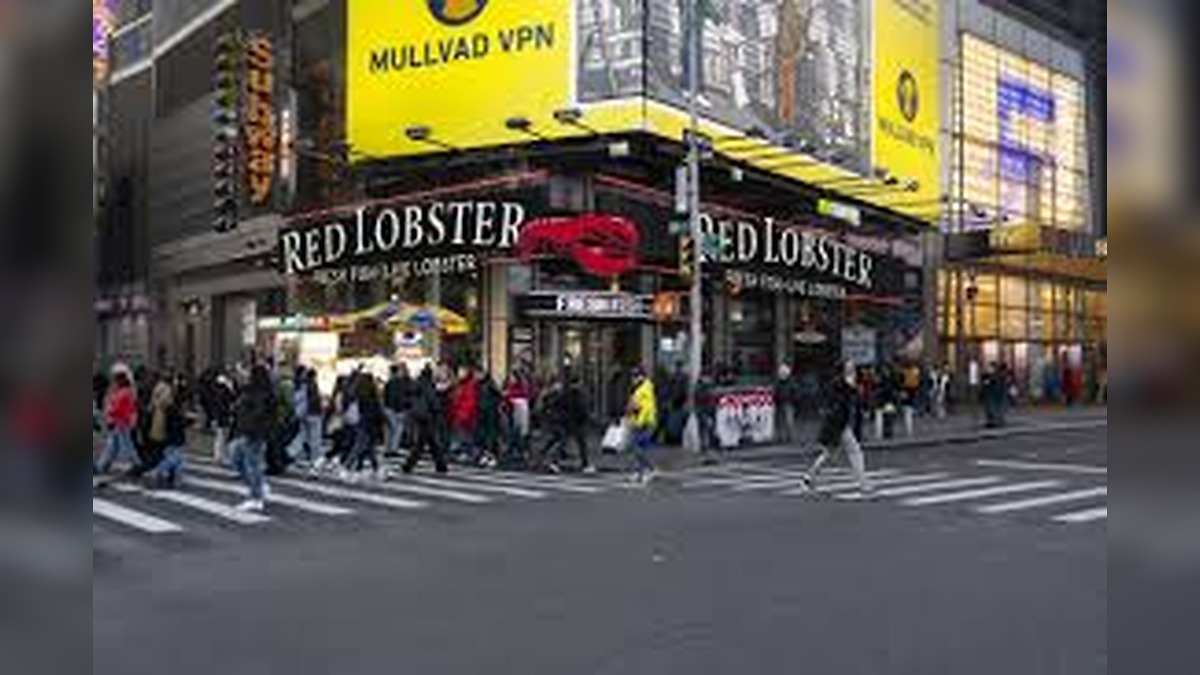
  • “Red Lobster Shocks New York City as It Closes Iconic Times Square Restaurant After 23 Years Due to Construction Chaos and Housing Redevelopment Plans”

    “Red Lobster Shocks New York City as It Closes Iconic Times Square Restaurant After 23 Years Due to Construction Chaos and Housing Redevelopment Plans”

    Red Lobster has announced it will shut down its well-known Times Square location in Manhattan, marking the end of a 23-year run in one of New York City’s busiest commercial districts.

    The restaurant will officially close its doors on Sunday, June 14, as the company continues to reassess its footprint amid broader operational changes.

    The decision affects one of the brand’s most recognizable urban sites, which had become a fixture for tourists and locals seeking the chain’s signature seafood offerings in the heart of Manhattan.

    Construction Disruption and Redevelopment Plans Drive Decision

    In a statement, Red Lobster described the Times Square restaurant as an “important chapter” in its corporate history, but pointed to long-running construction on 41st Street as a major factor in the closure.

    According to the company, ongoing building works have significantly reduced visibility, accessibility, and customer traffic.

    Compounding those challenges is a planned conversion of the building into residential housing.

    With declining practicality as a commercial dining site, the company concluded that continuing operations at the location was “no longer viable.”

    Staff Offered Transfers and Support Packages

    Despite the closure, Red Lobster emphasized that employees will not be left without options.

    All staff members working at the Manhattan restaurant are being offered transfers to other locations of their choice within the chain.

    The company also confirmed that additional financial support will be provided to assist workers during the transition period, as it attempts to maintain stability for affected employees amid the shutdown.

    A Cult-Favourite Location With Strong Customer Loyalty

    Over its two-decade presence in Times Square, the restaurant developed a loyal following, becoming something of a nostalgic stop for both visitors and New Yorkers.

    Social media reactions to the announcement reflected disappointment from diners who had personal connections to the location.

    Some former customers shared memories of final visits, while others expressed regret at missing the chance to dine there before its closure.

    Signature menu items such as the chain’s well-known cheddar bay biscuits were repeatedly mentioned as sentimental favourites tied to the location.

    For those looking to continue enjoying the menu, the nearest remaining outlet is now located in Secaucus, New Jersey.

    Endless Shrimp Promotion Remains a Talking Point

    The closure comes as Red Lobster continues to revisit its controversial “Endless Shrimp” promotion, a deal that has played a notable role in the company’s recent financial history.

    The offer allows customers to mix and match shrimp dishes starting at $24.99, including options such as shrimp scampi and coconut shrimp.

    Originally contributing to unexpectedly high customer demand, the promotion was previously linked to significant financial strain, with reports estimating multi-million-dollar losses during its earlier rollout.

    That pressure formed part of the wider challenges that pushed the company into Chapter 11 bankruptcy protection in 2024.

    Bankruptcy, Restructuring, and New Leadership

    Following its bankruptcy filing in May 2024, Red Lobster underwent restructuring and eventually emerged under new ownership later that year.

    A refreshed leadership team was installed, including current chief executive Damola Adamolekun.

    At the time of the revival discussions, the CEO had expressed caution about reinstating the Endless Shrimp deal, noting concerns about its impact on kitchen operations and profitability.

    Despite that, a limited version of the promotion has now returned, though it is restricted to dine-in customers.

    Broader Downsizing Across the Chain

    The Times Square closure is not an isolated move.

    It follows recent announcements that another long-standing Red Lobster restaurant in Tallahassee, Florida—operating for more than 50 years—will also be shutting down.

    The company has stated that it regularly reviews restaurant performance and lease agreements, and may choose to close or relocate locations based on financial and operational considerations.